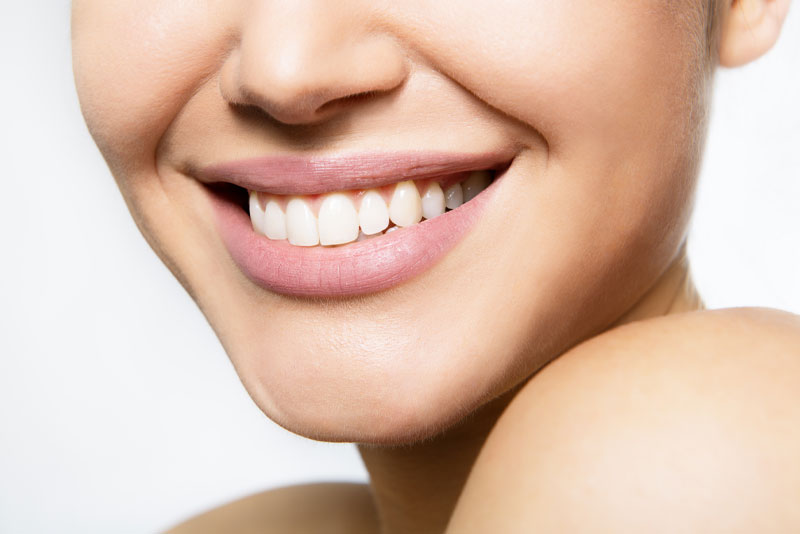
A single cosmetic procedure can improve your smile. But a true smile makeover—the kind that transforms your appearance, boosts your confidence, and leaves people asking who your dentist is—almost always requires combining multiple treatments. This is not because dentists want to sell more procedures. It is because the human smile is complex, and no single treatment can address every aesthetic concern.
Think of a smile makeover like building a custom home. You need a foundation (healthy gums and teeth), framing (proper alignment), finishes (color and shape), and details (final polishing). Each component depends on the others. The same principle applies to your smile. Whitening alone cannot close gaps. Veneers alone cannot move crooked teeth into better positions before they are placed. Crowns alone cannot address discoloration on adjacent teeth.
This comprehensive guide explains why combining cosmetic dentistry procedures produces superior results, how to sequence treatments for optimal outcomes, and what combinations work best for common smile concerns. For a broader overview of complete smile transformation, see our Complete Guide to Smile Makeovers and our Smile Makeover service page. To understand the specific procedures discussed in this guide, read our articles on Dental Veneers, Teeth Whitening vs. Veneers, Digital Smile Simulation, and Same-Day Crowns. For comprehensive dental care information, review our Complete Guide to Comprehensive Dental Care.
Table of Contents
Key Takeaways (TL;DR)
- No single treatment does it all: Whitening only changes color. Veneers change color, shape, and size but do not move teeth. Invisalign moves teeth but does not change shape or color. Combining them addresses all concerns.
- Sequencing matters enormously: Orthodontics first, then whitening, then veneers or crowns. Doing procedures in the wrong order wastes time and money.
- Invisalign + veneers = the Hollywood smile: Aligners straighten teeth into ideal positions. Ultra-thin veneers then perfect the shape, color, and proportion. Neither alone achieves this result.
- Whitening before bonding or veneers: Always whiten natural teeth first so restorations can be matched to the lighter shade.
- Combining treatments saves money long-term: A comprehensive plan prevents the need for repeated single procedures and re-dos.
Why No Single Cosmetic Procedure Can Do It All
Each cosmetic dental procedure has a specific purpose and limitations. Understanding what each treatment can and cannot do is the first step toward appreciating why combinations are necessary for transformative results.
As the table illustrates, every procedure has blind spots. A smile makeover that addresses all of a patient’s concerns almost always requires two or more of these treatments working together in a carefully sequenced plan.
The Most Effective Treatment Combinations
Over years of cosmetic dentistry practice, certain treatment combinations have proven to produce superior results. These pairings address complementary concerns and create synergy—the whole is greater than the sum of its parts.
1. Invisalign + Porcelain Veneers (The Hollywood Smile)
This is the gold standard combination for patients who want a truly perfect smile. Invisalign first moves teeth into their ideal positions—correcting crowding, spacing, and mild bite issues. Once the teeth are perfectly aligned, ultra-thin porcelain veneers are placed to perfect the shape, color, and proportion. Neither treatment alone can achieve what they accomplish together. Invisalign cannot change tooth shape or color. Veneers cannot move teeth into better positions before they are placed. Together, they create the flawless, natural-looking smiles seen on red carpets.
2. Whitening + Veneers (For Partial Smile Makeovers)
When a patient is getting veneers on only their front six or eight teeth, the adjacent natural teeth must match the new veneers. The solution is to whiten the natural teeth first. Once whitening is complete, the dentist fabricates veneers that match the lighter shade. This creates a seamless blend between veneered and non-veneered teeth. Whitening after veneers would create a mismatch, as natural teeth would lighten but veneers would not.
3. Whitening + Composite Bonding (The Budget-Friendly Refresh)
For patients with minor imperfections and a limited budget, this combination offers significant improvement at a fraction of the cost of veneers. Whitening lightens the overall smile. Then, composite bonding fills small chips, closes tiny gaps, and reshapes minor irregularities. The bonding material is matched to the newly whitened shade. While not as durable or stain-resistant as porcelain, this combination can last 3-7 years and costs significantly less.
4. Implants + Crowns (Restoring Missing Teeth)
Missing teeth cannot be addressed with whitening or veneers alone. Dental implants replace the root, and custom crowns restore the visible portion. For patients with multiple missing teeth, implant-supported bridges or full-arch fixed prosthetics may be combined with veneers on remaining natural teeth for a comprehensive result.
5. Gum Contouring + Veneers (The Gummy Smile Solution)
Patients with excessive gum display (a “gummy” smile) are not good candidates for veneers alone. The gums must first be reshaped using laser or surgical contouring to expose more tooth structure. Once the gums heal, veneers are placed on the now-properly exposed teeth. The result is balanced, proportionate, and natural-looking.
The Critical Importance of Proper Sequencing
Combining treatments is not enough. The order in which procedures are performed dramatically affects the final outcome. Performing treatments in the wrong sequence can waste time, money, and even damage previous work.
The Correct Sequence for Most Smile Makeovers
The Smile Makeover Sequencing Protocol
Phase 1: Foundation (Months 0-3)
Treat active decay and gum disease. Extract non-restorable teeth. Perform bone grafting if implants are planned. Establish a healthy oral environment.
Phase 2: Orthodontics (Months 0-18, overlapping with Phase 1 as needed)
Complete Invisalign or other orthodontic treatment to align teeth and correct bite issues. This must happen BEFORE any veneers or crowns are placed on those teeth.
Phase 3: Whitening (Week 1-2 of Phase 4 prep)
If whitening is planned, complete it just before final restorations are fabricated. This ensures the whitening shade is captured in the veneer or crown design.
Phase 4: Restorative/Cosmetic (Weeks 2-6)
Place dental implants (allow healing time before crowns). Prepare teeth for veneers or crowns. Take digital impressions. Fabricate and place permanent restorations.
Phase 5: Maintenance (Ongoing)
Regular checkups, nightguard if needed, and periodic touch-ups (whitening, polishing).
Common Sequencing Mistakes to Avoid
- Placing veneers before Invisalign: Veneers are fabricated to fit specific tooth positions. If you then move the teeth with Invisalign, the veneers will no longer fit properly.
- Whitening after veneers are placed: Natural teeth will lighten; veneers will not. The result is mismatched shades.
- Placing crowns before completing orthodontics: Crowns are final restorations. If teeth move afterward, the crowns will be misaligned.
- Starting implants before orthodontics: Implants cannot move. If orthodontics is needed to open space or align adjacent teeth, complete it before implant placement.
Real-World Case Studies: Combining Treatments for Transformative Results
Understanding how combinations work in practice helps patients envision their own potential smile makeovers. The following scenarios are representative of common cases.
Case 1: The Crowded, Discolored Smile
Patient concerns: Upper front teeth are crowded and rotated. Teeth are yellowed from years of coffee drinking. One front tooth is slightly chipped.
Inadequate single-treatment approach: Veneers alone could hide the crowding but would look bulky. Whitening alone would not fix crowding or the chip.
Combination approach: Invisalign (6 months) straightens the crowding. Professional whitening (1 week) lightens the natural teeth. Porcelain veneers (6 veneers on upper front teeth) perfect the shape, color, and close the remaining chip.
Result: Perfectly aligned, brilliantly white, naturally shaped teeth. Neither Invisalign nor veneers alone could have achieved this result.
Case 2: The Gummy Smile with Small Teeth
Patient concerns: Excessive gum display when smiling. Teeth appear short and square.
Inadequate single-treatment approach: Veneers alone would still look short because the gums cover too much tooth structure.
Combination approach: Laser gum contouring reshapes the gum line, exposing more tooth length (1 appointment, 2 weeks healing). Porcelain veneers then lengthen and reshape the teeth to ideal proportions.
Result: Balanced gum-to-tooth ratio. Teeth appear longer, more elegant, and proportionate to the face.
The Advantages of a Comprehensive Multi-Treatment Plan
Patients sometimes resist multi-treatment smile makeovers because they assume it is more expensive or time-consuming than a single procedure. In reality, comprehensive planning offers significant advantages.
Frequently Asked Questions About Combining Cosmetic Treatments
People Also Ask
What is the most common combination in a smile makeover?
The most common combination is teeth whitening followed by porcelain veneers on the front 6-8 upper teeth. Whitening ensures natural teeth match the new veneers. Many patients also combine Invisalign before veneers for cases involving crowding or spacing. According to the American Academy of Cosmetic Dentistry, these three procedures (whitening, veneers, and orthodontics) are the most frequently combined treatments in comprehensive smile makeovers.
Can I get a smile makeover if I have missing teeth?
Yes. Missing teeth are addressed with dental implants, implant-supported bridges, or traditional bridges as part of the smile makeover. The implants or bridge abutments are placed first (allowing healing time), then the final crowns are fabricated to match the veneers or crowns on your natural teeth. The result is a seamless, complete smile with no visible gaps.
Sources
The information in this guide draws from the following authoritative organizations and clinical resources:
- American Academy of Cosmetic Dentistry (AACD) — Comprehensive smile makeover guidelines
- American Dental Association (ADA) — Cosmetic dentistry standards
- American Association of Orthodontists (AAO) — Orthodontic and cosmetic combination treatment
Last reviewed: April 2026
About the Author
Dr. Devin T. Hall, DMD is a cosmetic and restorative dentist who specializes in comprehensive smile makeovers that combine multiple treatment modalities. Dr. Hall believes that the best cosmetic results come from careful planning, proper sequencing, and a commitment to addressing every aspect of a patient’s smile. This article was medically reviewed by Dr. Austin Delpont, DMD, a lead dentist at Chandler Park Dental Care.
At Chandler Park Dental Care, Dr. Hall offers a full range of cosmetic, orthodontic, implant, and restorative services under one roof, allowing for seamless multi-treatment smile makeovers. The practice serves patients throughout Bowling Green and the surrounding region.