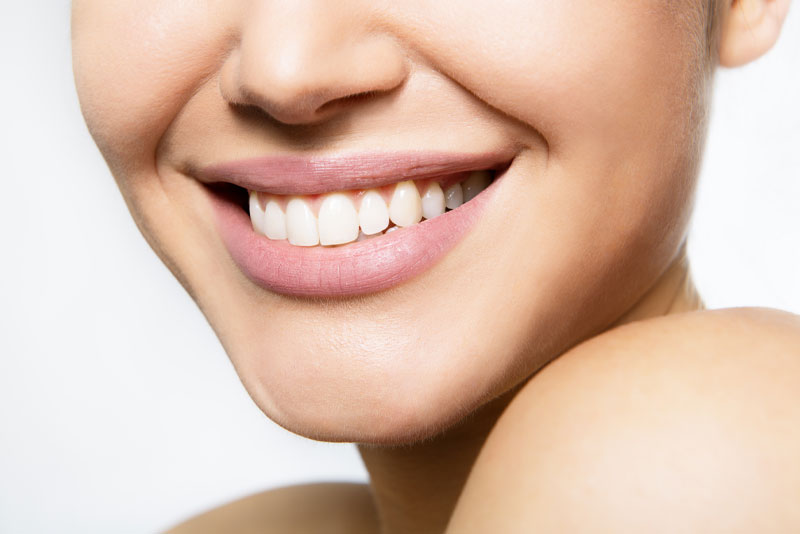
When people imagine a flawless smile—think of the bright, symmetrical, perfectly shaped teeth seen on red carpets and in magazines—they are almost always imagining porcelain veneers. Dental veneers have become the undisputed cornerstone of modern smile makeovers, and for good reason. No other single cosmetic procedure can simultaneously correct issues with tooth color, shape, size, and alignment.
Veneers are thin, custom-made shells of tooth-colored material designed to cover the front surface of teeth. They are bonded permanently to your natural teeth, instantly transforming their appearance. Whether you have stained teeth that resist whitening, chipped or worn edges, gaps between teeth, or misshapen teeth, veneers offer a predictable, long-lasting solution.
This comprehensive guide explains everything you need to know about dental veneers: how they work, the differences between porcelain and composite materials, what to expect during the procedure, and how to maintain your results. For a broader overview of complete smile transformation, see our Complete Guide to Smile Makeovers. To understand how veneers compare to other cosmetic options, read our guide on Teeth Whitening vs. Veneers.
Table of Contents
Key Takeaways (TL;DR)
- Veneers fix multiple issues at once: They simultaneously correct color, shape, size, and minor alignment problems that would otherwise require multiple different treatments.
- Porcelain lasts longer than composite: Porcelain veneers typically last 15-20 years with proper care, while composite veneers last 3-7 years but cost less upfront.
- The procedure requires enamel removal: Traditional veneers involve removing 0.3-0.5mm of enamel, which is permanent but allows for natural-looking results.
- Digital simulation shows results first: Modern cosmetic dentistry uses digital smile simulation to show you your potential veneer results before any tooth preparation begins.
- Veneers are stain-resistant: High-quality porcelain veneers resist staining from coffee, tea, wine, and tobacco far better than natural teeth or composite materials.
What Are Dental Veneers?
Dental veneers are ultra-thin shells, typically made of porcelain or composite resin, that are bonded to the front surface of teeth. Think of them as custom-made fingernail covers for your teeth—but far more durable and natural-looking. Once bonded, veneers become the new visible surface of your teeth, completely transforming their appearance.
The concept of veneers originated in the 1920s for temporary film actors who needed quick smile transformations. Today, veneers are precision-crafted using advanced materials and digital technology. They are indistinguishable from natural teeth when properly designed and placed.
What Problems Can Veneers Fix?
Porcelain Veneers vs. Composite Veneers
When considering veneers, you will encounter two primary material options: porcelain and composite resin. Each has distinct advantages and trade-offs. Understanding the differences is essential for making an informed decision.
The choice between porcelain and composite often comes down to budget, longevity expectations, and the specific aesthetic requirements. Porcelain veneers are the gold standard for long-term, high-end cosmetic results. Composite veneers offer an accessible entry point for patients seeking improvement with lower upfront investment.
Who Is a Good Candidate for Veneers?
Not everyone is an ideal candidate for veneers. A thorough evaluation by a cosmetic dentist is necessary to determine candidacy. Below are the general criteria that make someone a good candidate.
Ideal Candidate Profile
- Healthy teeth and gums: Active tooth decay or gum disease must be treated before veneer placement.
- Sufficient enamel thickness: Traditional veneers require some enamel removal. Patients with very thin enamel may not be candidates.
- No significant bruxism (teeth grinding): Uncontrolled grinding can fracture or damage veneers. A nightguard may be required.
- Good oral hygiene habits: Veneers require the same diligent cleaning as natural teeth.
- Realistic expectations: Understanding what veneers can and cannot achieve leads to higher satisfaction.
- Desire for a permanent change: Because enamel is removed, veneers are irreversible. Patients should be committed to maintaining them long-term.
Who Should Consider Alternatives?
- Patients with severe crowding: Orthodontics (clear aligners) may be recommended before veneers.
- Those with active gum disease: Periodontal therapy must be completed first.
- Patients who grind their teeth severely: A nightguard may be required, or alternative restorations recommended.
- Individuals seeking reversible treatment: Composite bonding or whitening may be better options.
The Veneer Procedure: Step by Step
For patients considering veneers, understanding the procedure timeline helps set appropriate expectations. The process typically spans 2-3 weeks from initial consultation to final placement.
The Veneer Placement Timeline
Step 1: Cosmetic Consultation (1 appointment)
Your dentist discusses your goals, examines your oral health, and captures digital scans or photographs. Digital smile simulation may be used to show you a preview of potential results.
Step 2: Treatment Planning (1-2 weeks)
Your dentist designs your custom veneers based on your facial features and aesthetic goals. The design is shared with you for approval.
Step 3: Tooth Preparation (1 appointment)
A small amount of enamel (0.3-0.5mm) is removed from the front surface of your teeth. This is done under local anesthesia for comfort. Digital impressions are taken, and temporary veneers are placed.
Step 4: Laboratory Fabrication (2-3 weeks)
Your digital design is sent to a dental laboratory where skilled ceramists craft your permanent porcelain veneers. Each veneer is custom-made to match your approved design.
Step 5: Try-In and Bonding (1 appointment)
Your temporary veneers are removed, and your permanent veneers are tried in. You approve the fit, color, and shape. Each veneer is then permanently bonded to your tooth using specialized dental cement.
Step 6: Follow-up (1 week later)
A short follow-up appointment checks your bite and comfort. Minor adjustments can be made at this time.
Longevity and Care for Veneers
Porcelain veneers are remarkably durable, but they are not indestructible. With proper care, they routinely last 15-20 years and often longer. Composite veneers have a shorter lifespan of 3-7 years but can be repaired more easily.
How to Make Your Veneers Last
- Wear a nightguard if you grind your teeth: Bruxism is one of the leading causes of veneer failure. A custom nightguard protects both your veneers and natural teeth.
- Avoid biting hard objects: Never use your teeth to open packages, bite nails, or chew ice, pens, or hard candy.
- Maintain excellent oral hygiene: Brush twice daily, floss once daily, and attend regular dental checkups every six months.
- Be mindful with food: Porcelain is strong but can chip under extreme force. Avoid biting into very hard foods directly with veneered teeth.
- Visit your dentist regularly: Professional cleanings and examinations allow your dentist to monitor the margins and integrity of your veneers.
Can Veneers Be Replaced?
Yes. When veneers eventually wear out or become damaged, they can be replaced. The process is similar to the initial placement. Your dentist removes the old veneers, prepares the tooth surface (which may require minimal additional enamel removal), and fabricates new veneers. Patients who maintain good oral health can have multiple generations of veneers over their lifetime.
Frequently Asked Questions About Veneers
People Also Ask
Can veneers fix crooked teeth?
Veneers can improve the appearance of mildly crooked teeth by creating a uniform, straight-looking surface. However, they do not actually move the teeth. For moderate to severe crowding or rotation, orthodontic treatment with clear aligners (such as Invisalign) is typically recommended before veneers. Many smile makeovers combine aligners first, then veneers for perfect results.
Do veneers fall off?
When properly bonded by an experienced dentist, veneers are extremely secure and do not “fall off” under normal circumstances. However, they can debond (loosen) if subjected to excessive force, such as biting into very hard foods, trauma, or untreated teeth grinding. If a veneer does debond, it can usually be re-bonded. This is another reason why nightguards are recommended for patients who grind their teeth.
Sources
The information in this guide draws from the following authoritative organizations and clinical resources:
- American Academy of Cosmetic Dentistry (AACD) — Clinical guidelines for veneers
- American Dental Association (ADA) — Cosmetic dentistry standards
- Journal of Esthetic and Restorative Dentistry — Long-term survival rates of porcelain veneers
Last reviewed: April 2026
About the Author
Dr. Eli Jackson, DMD is a cosmetic and restorative dentist with extensive experience in porcelain veneer placement and comprehensive smile makeovers. Dr. Jackson believes that aesthetic dentistry should be predictable, collaborative, and designed around each patient’s unique facial features and personality.
At Chandler Park Dental Care, Dr. Jackson combines digital smile simulation, advanced porcelain materials, and meticulous bonding techniques to create natural, durable, and beautiful veneer results. The practice serves patients throughout Bowling Green and the surrounding region.