Missing one tooth can make you hesitant to smile for a photo on the Bowling Green Ballpark concourse. Missing several might have you skipping your favorite steak at a local restaurant. Whether it’s a single gap or multiple, tooth loss impacts your confidence, health, and daily life here in Warren County. Today, dental implants offer a permanent solution, but a crucial question remains: is a single dental implant or a multiple-tooth implant solution right for your situation? This isn’t a one-size-fits-all decision—it’s a personalized choice that affects your treatment timeline, cost, and long-term oral health. For residents of Bowling Green and communities like Chandler Park and Olde Stone, understanding the nuances of each option is the first step toward a fully restored smile. This guide provides a detailed, unbiased comparison to empower you with the knowledge needed for an informed discussion with your local dental provider, highlighting how comprehensive care under one roof addresses the full spectrum of tooth replacement needs.
Table of Contents
Key Takeaways (TL;DR)
- Foundation First: Successful implants require a stable jawbone. If you have bone loss, a preparatory procedure like bone grafting may be necessary, a process we detail in our dedicated guide.
- Gold Standard for One Tooth: A single dental implant is the ideal, stand-alone replacement for one missing tooth. It preserves adjacent teeth and maintains jawbone health in the empty socket.
- Strategic Solutions for Several Teeth: For multiple missing teeth in a row, an implant-supported bridge (using 2+ implants to support 3+ teeth) is often the most efficient and cost-effective choice.
- Planning is Personal & Local: The “right” choice depends on bone density, the location of missing teeth, your budget, and long-term health goals. Dentists in Bowling Green use advanced 3D imaging for a precise, customized plan.
- Expert Guidance is Key: An experienced provider, like Dr. Eli Jackson, can navigate these options with you—ensuring your treatment, whether for a tooth near Greenwood Mall or a full-arch restoration—is tailored for optimal, lasting results.
Understanding Your Tooth Loss: The Starting Point
Every journey to a restored smile in Bowling Green begins with a clear map of your current oral landscape. Whether you’re dealing with a single missing tooth from an accident or several due to decay, the number, location, and condition of your jawbone are the critical first data points. An oral examination and advanced 3D CBCT imaging provide this blueprint, revealing not just what’s missing, but the health and density of the foundation below.
Why Jawbone Health is Non-Negotiable
Your jawbone needs constant stimulation from tooth roots to maintain its volume. When a tooth is lost, the bone in that area begins to resorb. Over time, this can make the site unsuitable for an implant without intervention.
- Single Tooth Loss: Bone loss is localized to one socket.
- Multiple Adjacent Loss: Creates a wider ridge of decreased bone height and width.
- Long-Term Loss: Significant resorption may require bone grafting to rebuild the site.
Single Dental Implants: The Precision Solution
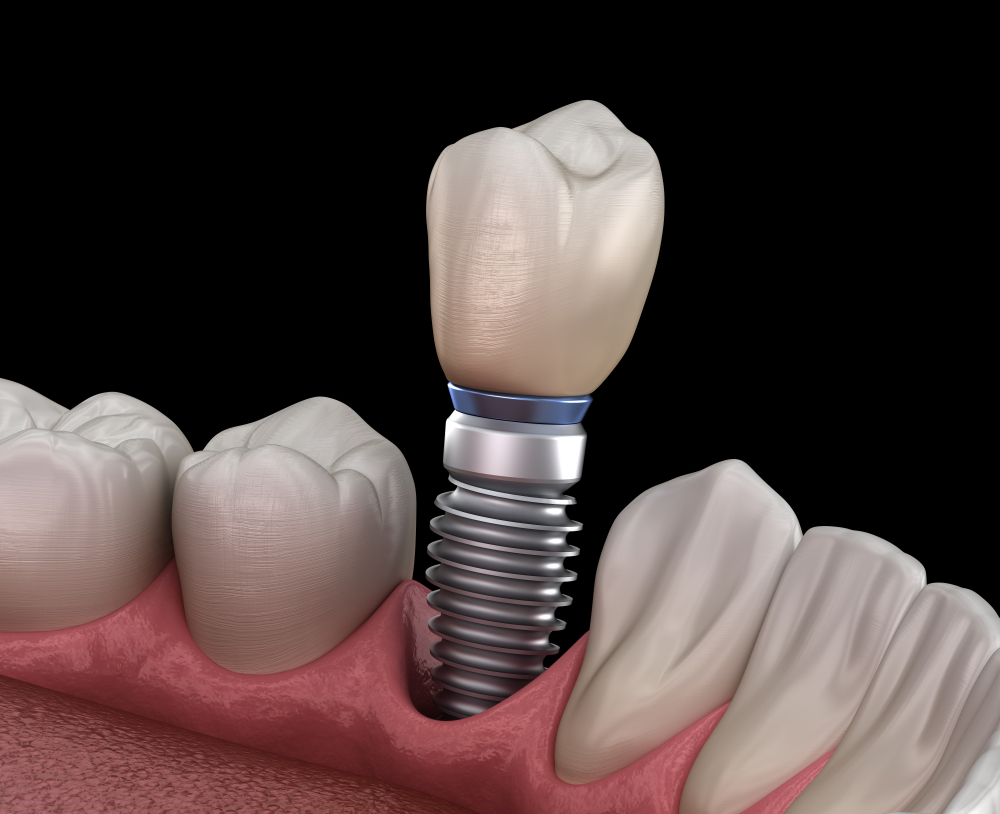
When you lose a single tooth—perhaps a molar from decay or a front tooth from injury—a single dental implant is widely considered the gold standard of replacement. It’s a self-sufficient, three-part system: a titanium implant post that acts as a new root, an abutment that connects it, and a custom dental crown that looks and functions like a natural tooth.
Who is a single implant best for?
- Patients missing one tooth with healthy adjacent teeth.
- Those with sufficient jawbone density at the implant site (or who are candidates for bone grafting).
- Individuals seeking the most biologically conservative option that preserves natural tooth structure.
- Active residents of neighborhoods like River Bend or Hartland who want a durable, permanent solution for an active lifestyle.
Multiple Tooth Replacement: Your Implant-Supported Options
When two or more teeth in a row are missing, implant dentistry offers powerful, efficient solutions that are far superior to removable partial dentures. The goal shifts from replacing single units to restoring entire sections of your chewing function and smile with stability.
The Implant-Supported Bridge
This is often the most strategic choice for consecutive missing teeth. Instead of placing an implant for every single tooth, a bridge uses two (or more) dental implants as “piers” to support a bridge of three or more connected crowns.
Multiple Single Implants
In some cases, placing individual implants for each tooth is the preferred plan. This approach is ideal when:
- Missing teeth are not directly adjacent (e.g., teeth #3 and #5 are missing, but #4 is present).
- Maximum independence and ease of hygiene are top priorities (each implant can be flossed like a natural tooth).
- The budget and bone conditions allow for the optimal, most individualized restoration.
Side-by-Side Comparison: Single vs. Multiple Implants
This comparison table breaks down the key considerations to help frame your decision. Costs are relative and can vary based on individual needs in the Bowling Green area.
The Treatment Planning Process in Bowling Green
Replacing teeth with implants is a carefully orchestrated journey, not a single event. In Bowling Green, this process leverages modern technology and expert collaboration to ensure precision and predictability from your first consultation to your final smile.
Your Implant Journey: A Visual Timeline
Comprehensive exam, 3D CBCT scan, and discussion of your goals. This is where your personalized plan—and transparent cost estimate—is created.
This may include tooth extractions, bone grafting, or treatment for gum disease. A stable, healthy foundation is the priority.
Using a digitally planned surgical guide, the implants are placed with minimal invasiveness. Your comfort is managed with anesthesia or sedation options.
A critical 3-6 month period where the bone fuses with the implant. You’ll have a temporary restoration and follow-up visits to monitor progress.
Once healed, custom abutments and crowns (or your bridge) are attached. You receive care instructions to enjoy your new, functional smile for years to come.
This coordinated process, often led by a collaborative team, ensures every detail—from the angle of implant placement to the shade of your final crown—is optimized for your health, function, and aesthetics.
Factors That Influence the Right Choice for You
The best implant strategy for you is a personal equation. Use this interactive checklist to weigh the factors that matter most for your life in Warren County.
Clinical Factors
- Bone Quantity & Quality: Do you need bone grafting?
- Location of Missing Teeth: Front (aesthetic zone) vs. back (chewing force).
- Health of Adjacent Teeth & Gums: Is there periodontal disease?
- Overall Health: Conditions like diabetes can affect healing.
Financial & Practical Factors
- Budget & Insurance: Understanding upfront costs vs. long-term value.
- Treatment Timeline: Can you accommodate a 4-9 month process?
- Commitment to Hygiene: Are you prepared for meticulous cleaning?
- Dental Anxiety: Would you benefit from sedation dentistry?
Lifestyle & Personal Goals
- Aesthetic Desires: How important is a “perfect” smile?
- Dietary Habits: Do you want to eat corn-on-the-cob or steak without worry?
- Long-Term Outlook: Are you looking for a 20+ year solution?
- Activity Level: Do you need a secure restoration for an active life?
FAQs About Dental Implants in Bowling Green
Making a decision about implants brings up many questions. Here are clear, straightforward answers to some of the most common queries from patients in the Bowling Green area.
Choosing between a single implant, an implant-supported bridge, or multiple implants is a significant decision that impacts your oral health, finances, and daily life for years to come. As we’ve explored, the “best” option isn’t universal—it’s the one that most effectively balances your unique clinical situation, personal goals, and practical circumstances. For residents of Bowling Green, Alvaton, and Rockfield, the path forward begins with a detailed, technology-driven consultation that maps out all these variables.
Strategic CTA (Consideration – Middle Funnel): To better understand the initial steps, surgical details, and what to expect from the procedure itself, we recommend reading our comprehensive guide on dental implants in Bowling Green, KY.
About the Author & Practice Leadership
Dr. Eli Jackson, DMD, is the lead dentist and a driving force behind the implant dentistry program at Chandler Park Dental Care in Bowling Green, KY. With advanced training in surgical placement and restorative planning, Dr. Jackson emphasizes a patient-centered, evidence-based approach. He leverages state-of-the-art 3D imaging and surgical guides to create predictable, long-lasting outcomes for patients seeking single-tooth replacements or full-arch rehabilitations. For more on his philosophy and credentials, visit the Meet the Dentists page.
Sources & References
- American Academy of Implant Dentistry (AAID). Dental Implant FAQs & Standards of Care.
- Journal of Oral Implantology. Long-term Survival Rates of Implant-Supported Bridges vs. Single Implants. 2021.
- American Dental Association (ADA). Oral Health Topics: Dental Implants.
- Clinical Oral Implants Research. Systemic Conditions and Dental Implant Success: A Review. 2023.
Last reviewed: December 2025