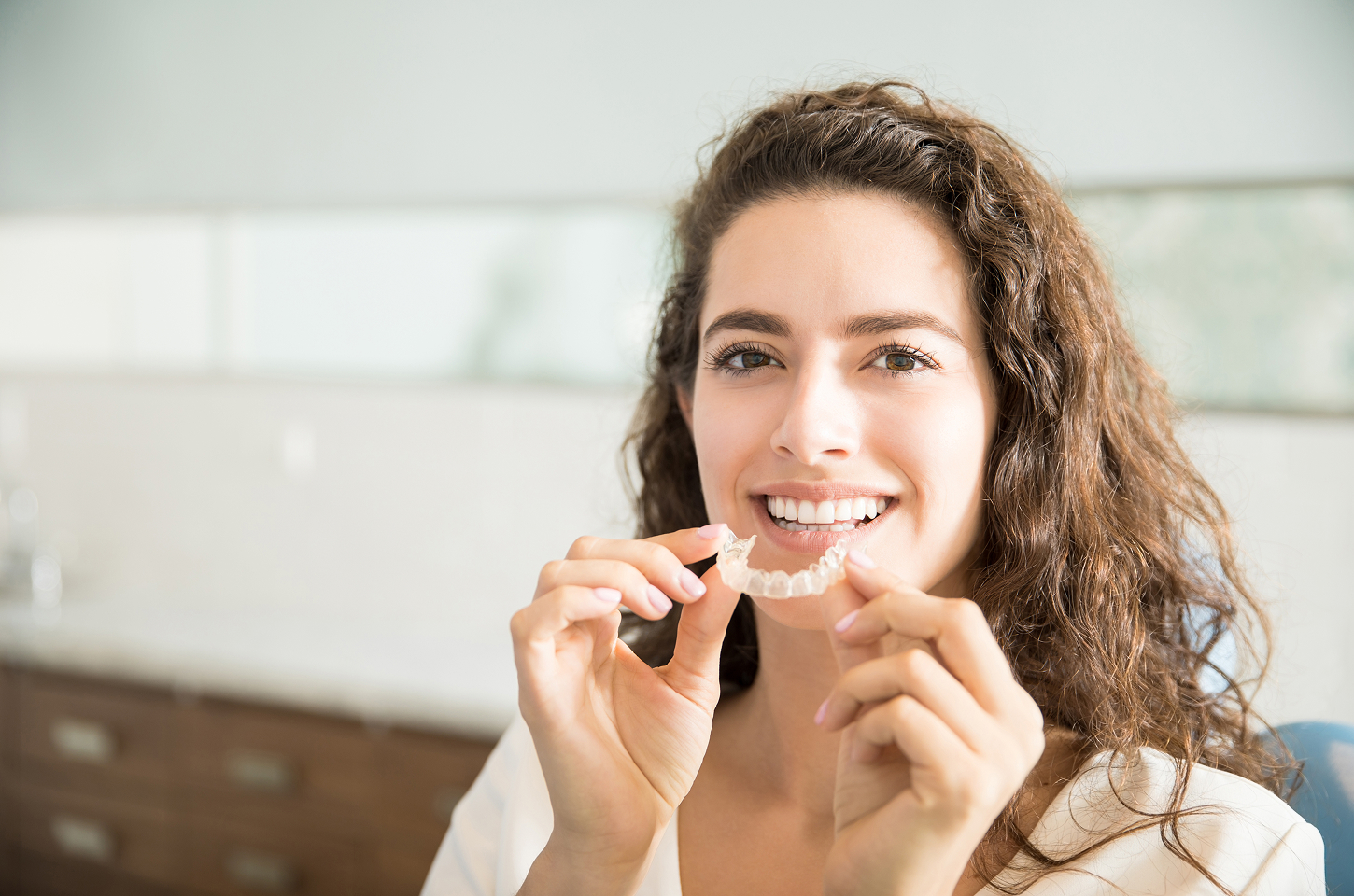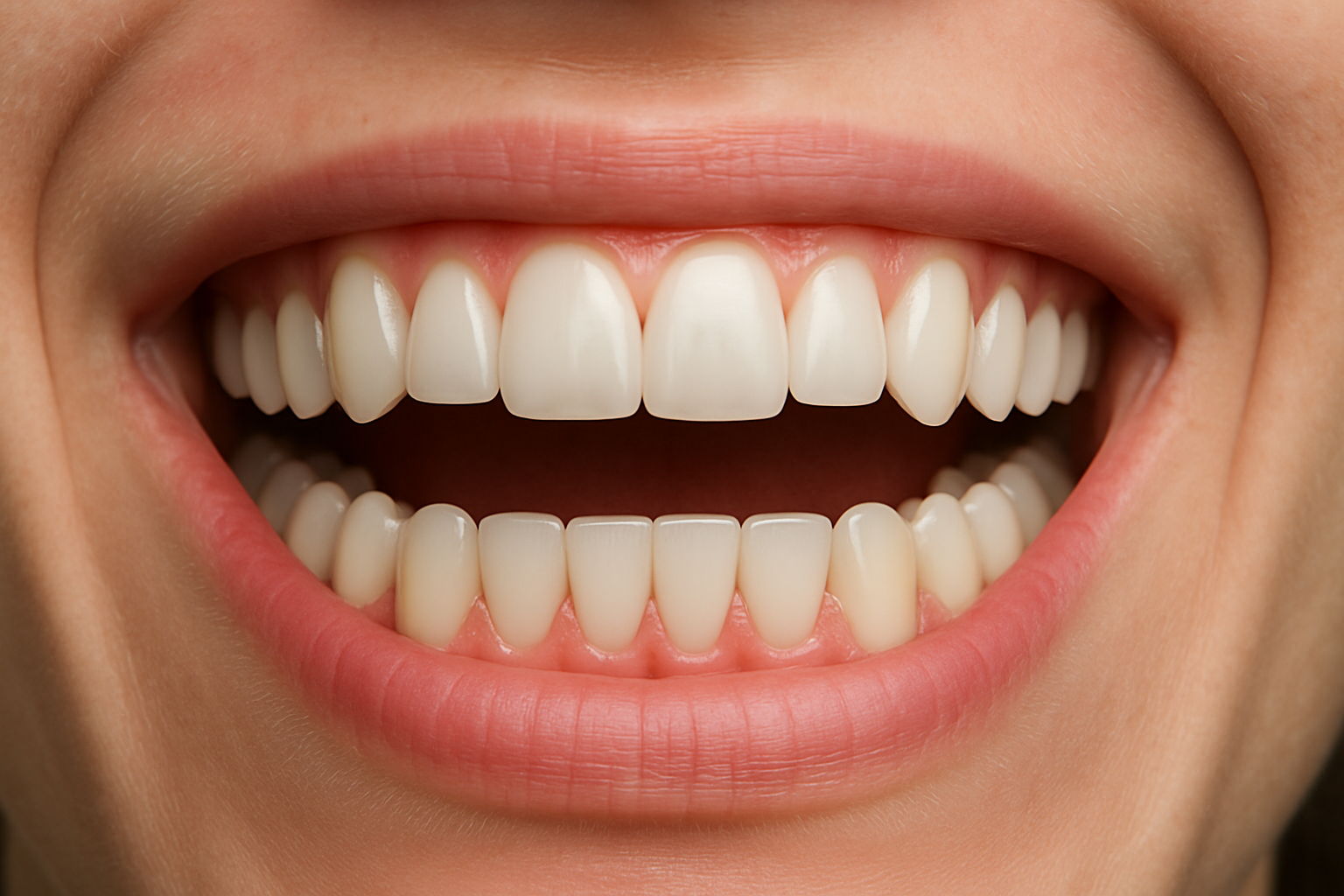
Digital smile simulation is a technology that allows patients to see a realistic preview of their potential results before committing to cosmetic dental treatment. Using specialized software and digital imaging, dentists can show patients exactly how their smile could look after procedures like veneers, bonding, whitening, or a complete smile makeover—taking the guesswork out of one of the most personal decisions a patient can make.
For many patients, the uncertainty of cosmetic dentistry creates hesitation. Questions like “Will it look natural?” and “Will I like the results?” can delay treatment for months or years. Digital smile simulation addresses these concerns directly by providing a visual roadmap of the transformation, allowing patients to request adjustments and approve the direction before any irreversible work begins.
For residents of Bowling Green, Kentucky, and throughout Warren County considering cosmetic dental work, practices equipped with digital smile design technology offer an added layer of confidence in the treatment planning process. Some dentists use advanced simulation tools to help patients visualize their new smile and collaborate on the final design.
This guide explains how digital smile simulation works, what to expect during the process, and how this technology improves outcomes for cosmetic dental patients. For a broader overview of smile enhancement options, see this guide to cosmetic dentistry in Bowling Green.
Table of Contents
Key Takeaways (TL;DR)
- See before you commit: Digital simulation shows a realistic preview of your potential results before any treatment begins, eliminating uncertainty.
- Collaborate on design: Patients can request adjustments to tooth shape, size, and shade until the preview matches their vision.
- Guides laboratory work: The approved simulation serves as a blueprint for dental technicians creating veneers, crowns, and other restorations.
- Works for multiple treatments: Useful for veneers, bonding, crowns, smile makeovers, and orthodontic planning.
- Increases satisfaction: Patients who preview and approve their design report higher satisfaction with final results.
What Is Digital Smile Simulation?
Digital smile simulation is a technology-driven approach to cosmetic dental treatment planning that creates a visual preview of expected results before any procedures begin. Using specialized software, digital photographs, and sometimes 3D scans, dentists can digitally modify images of a patient’s current smile to show how it could appear after treatment.
The technology goes by several names depending on the specific software system used—digital smile design, virtual smile preview, smile simulation, or computerized smile analysis. Regardless of the terminology, the core function remains the same: giving patients a realistic visualization of potential outcomes to inform their decision-making process.
Unlike simple photo editing, professional dental simulation software accounts for anatomical considerations such as tooth proportions, facial symmetry, lip dynamics during smiling, and the relationship between teeth and surrounding structures. This creates previews that are not only aesthetically pleasing but also clinically achievable.
How Does Digital Smile Simulation Work?
The digital smile simulation process typically follows a structured workflow that begins with capturing baseline images and ends with an approved design that guides treatment. While specific steps vary by software system and dental practice, the general process includes the following phases.
Image and Data Capture
High-resolution photographs are taken from multiple angles—front view, side profile, and close-up of the smile. Some systems also incorporate video of the patient speaking and smiling naturally, as well as 3D intraoral scans or impressions.
Facial Analysis
The software analyzes facial landmarks including the interpupillary line, facial midline, lip line at rest and while smiling, and the relationship between teeth and facial features. This establishes parameters for a smile design that harmonizes with the patient’s unique anatomy.
Digital Design
Using the analysis as a foundation, the dentist digitally modifies tooth shape, size, position, and shade. Changes can be made to individual teeth or applied symmetrically across the smile zone. The software ensures proposed changes remain within anatomical and functional limits.
Patient Review and Collaboration
The simulated result is presented to the patient, often with side-by-side comparison to the original smile. Patients can request modifications—longer or shorter teeth, different shapes, adjusted shade—and the design is refined until both patient and dentist are satisfied.
Treatment Planning and Fabrication Guide
Once approved, the digital design serves as a precise blueprint. It guides the dental laboratory in fabricating restorations and helps the dentist during tooth preparation and placement to achieve the previewed result as closely as possible.
What Are the Benefits of Digital Smile Simulation?
Digital smile simulation offers advantages for both patients and dental professionals, improving communication, reducing uncertainty, and increasing the likelihood that final results match expectations.
Informed Decision-Making
Patients can see realistic previews before committing to treatment, reducing anxiety about the unknown and enabling confident decisions based on visual evidence rather than imagination alone.
Improved Communication
Visual representations bridge the gap between what patients describe wanting and what dentists understand. Terms like “natural” or “brighter” can mean different things—simulation makes expectations concrete.
Collaborative Design Process
Patients become active participants in designing their smile rather than passive recipients. The ability to request and see modifications creates ownership of the final result.
Predictable Outcomes
The approved digital design guides laboratory fabrication and clinical procedures, increasing the likelihood that the actual result closely matches what the patient approved during planning.
Reduced Remakes and Adjustments
When expectations are aligned before treatment begins, there are fewer surprises at delivery. This reduces the need for adjustments, remakes, or patient dissatisfaction with completed work.
Treatment Sequencing Clarity
Simulation helps identify which procedures are needed and in what order. Patients understand why certain steps must come before others in complex treatment plans.
Which Cosmetic Treatments Use Digital Smile Simulation?
Digital smile simulation is applicable to most cosmetic dental procedures, particularly those involving changes to the visible front teeth. The technology is especially valuable when multiple teeth are being treated or when precise aesthetic outcomes are critical.
For patients considering porcelain veneers, simulation is particularly valuable because veneer preparation involves removing enamel—an irreversible step. Seeing and approving the design beforehand provides confidence that the permanent change will achieve the desired outcome. Similarly, patients planning a comprehensive smile makeover process benefit from visualizing how multiple treatments will work together.
How Accurate Is Digital Smile Simulation?
When performed using professional dental software and interpreted by experienced clinicians, digital smile simulation provides a highly accurate representation of achievable results. However, patients should understand both the capabilities and limitations of the technology.
Factors Supporting Accuracy
- Anatomical parameters: Professional software incorporates dental proportions and facial analysis rather than arbitrary aesthetic changes
- Laboratory guidance: The digital design directly guides technicians fabricating restorations, reducing interpretation errors
- Mock-up verification: Many workflows include physical mock-ups that allow patients to “test drive” the design in their mouth before final restorations
- Iterative refinement: Multiple revision rounds ensure the approved design reflects realistic expectations
Limitations to Understand
- Shade representation: Screen displays vary; actual tooth shade may appear slightly different than on monitor
- Soft tissue response: How gums heal and adapt around restorations can affect final appearance
- Material characteristics: The way light interacts with actual porcelain or composite differs slightly from digital rendering
- Dynamic appearance: Teeth look different under various lighting conditions than in standardized photographs
What Should You Expect During a Smile Simulation Appointment?
A smile simulation appointment is typically part of a comprehensive cosmetic consultation. The experience is non-invasive and allows patients to explore possibilities without any commitment to treatment.
What to Expect During Your Appointment
Before the Simulation:
- Discussion of concerns, goals, and what you hope to achieve
- Review of dental and medical history relevant to cosmetic treatment
- Examination of current tooth and gum condition
During Image Capture:
- Photographs taken from multiple angles with standardized lighting
- You may be asked to smile naturally, smile broadly, and rest with lips apart
- Video may be captured to show how teeth appear during speech and natural expressions
During Design Review:
- View before-and-after comparisons on screen
- Discuss what you like and what you would change
- Request modifications until the design matches your vision
- Ask questions about how the simulated result would be achieved
The entire simulation process typically takes 30 to 60 minutes depending on complexity. Some practices can create initial simulations during the first consultation, while others schedule a separate design appointment after the initial examination. Patients leave with a clear visual understanding of what treatment could achieve, enabling informed decisions about whether and how to proceed.
Frequently Asked Questions
Sources
The information in this guide draws from the following authoritative organizations and peer-reviewed resources:
- American Dental Association (ADA) — Digital Dentistry and Treatment Planning Resources
- American Academy of Cosmetic Dentistry (AACD) — Smile Design Principles and Patient Communication
- National Institutes of Health (NIH) / PubMed — Digital Smile Design Clinical Outcomes Research
- Journal of Esthetic and Restorative Dentistry — Digital Workflow and Patient Satisfaction Studies
Last reviewed: January 2025
About the Author
Dr. Austin Delpont, DMD practices comprehensive dentistry at Chandler Park Dental Care in Bowling Green, Kentucky. With training in digital smile design technology, Dr. Delpont incorporates simulation tools into cosmetic treatment planning to help patients visualize and collaborate on their smile transformation goals. This article was medically reviewed by Dr. Devin T. Hall, DMD, a lead dentist at Chandler Park Dental Care.
For patients throughout Warren County and surrounding communities exploring cosmetic dental options, digital smile simulation provides a valuable tool for making informed treatment decisions. For comprehensive dental services in the Bowling Green area, see this guide to finding a dentist in Bowling Green.