Restorative dentistry repairs damaged teeth and restores oral function. Cavities, fractures, infections, and tooth loss all require restorative intervention. Without treatment, these problems worsen and lead to more extensive damage. Modern restorative dentistry preserves natural teeth whenever possible and replaces them when necessary.
This guide explains restorative dentistry in detail. It covers crowns, bridges, root canal therapy, extractions, and the distinction between restorative and cosmetic dentistry. For a complete overview of comprehensive dental care, see the Complete Guide to Comprehensive Dental Care. Patients in Bowling Green and surrounding communities trust Chandler Park Dental Care for expert restorative treatment.
Table of Contents
Key Takeaways (TL;DR)
- Restorative dentistry preserves natural teeth. Crowns protect weakened teeth. Root canal therapy saves infected teeth from extraction. Bridges replace missing teeth and maintain oral function.
- Same-day crowns are available. CEREC technology creates custom crowns in a single visit. Patients receive their final restoration without temporary crowns or second appointments.
- Root canal treatment saves teeth. The procedure removes infected tissue, preserves the natural tooth, and prevents extraction. Success rates exceed 90% with proper care.
- Restorative dentistry differs from cosmetic dentistry. Restorative treatment focuses on function and health. Cosmetic treatment focuses on appearance. Both are valuable but serve different purposes.
- Regular checkups prevent extensive restorative work. Early detection of decay and damage reduces the need for complex treatment. Preventive care protects your smile and your budget.
What Is Restorative Dentistry and Why Does It Matter?
Restorative dentistry repairs damaged teeth and replaces missing teeth. The specialty focuses on restoring oral function, health, and comfort. Restorative procedures address cavities, fractures, infections, and tooth loss. Without treatment, these problems progress and create more significant health issues.
Restorative dentistry encompasses several procedures. Fillings repair cavities. Crowns protect weakened teeth. Bridges fill gaps from missing teeth. Root canal therapy saves infected teeth. Each procedure serves a specific purpose in maintaining oral health.
The American Dental Association emphasizes the importance of restorative care. Tooth decay affects 90% of adults aged 20 to 64, according to CDC data. Untreated decay leads to pain, infection, and tooth loss. Restorative dentistry intervenes early and prevents these outcomes.
Restorative dentistry preserves natural teeth whenever possible. Natural tooth preservation is the preferred treatment approach. When preservation is impossible, restorative procedures replace missing teeth with functional alternatives. Chandler Park Dental Care provides complete restorative services for patients throughout Bowling Green and Warren County.
What Are Dental Crowns and When Are They Needed?
Dental crowns are tooth-shaped caps that cover damaged teeth. They restore strength, shape, and appearance. Crowns protect teeth that are too weak for fillings. They also cover teeth after root canal therapy and anchor dental bridges.
When Crowns Are Recommended
Several situations require dental crowns. Large cavities that exceed the capacity of fillings need crown coverage. Cracked or fractured teeth require crowns to hold the segments together. Teeth with extensive wear benefit from crown protection. Crowns also restore teeth that have undergone root canal therapy. The American Dental Association recognizes crowns as the standard treatment for extensively damaged teeth.
Same-Day Crown Technology
Same-day crowns use CEREC technology to create restorations in a single visit. The dentist scans the prepared tooth digitally. The computer designs the custom crown. A milling machine fabricates the crown from ceramic material. Patients receive their final crown without temporary restorations or a second appointment. This technology eliminates the wait period and the need for temporary crowns.
Crown Materials
Crowns are fabricated from several materials. Ceramic crowns provide natural appearance and are metal-free. Porcelain-fused-to-metal crowns combine strength with aesthetics. Gold crowns offer durability for back teeth. Zirconia crowns provide exceptional strength and biocompatibility. The dentist recommends the material based on the tooth location and patient needs.
Crown Longevity
Dental crowns last five to fifteen years or longer. Longevity depends on the crown material, patient habits, and oral hygiene. Patients who maintain good oral hygiene and avoid damaging habits enjoy longer crown life. Regular dental checkups identify crown wear before problems develop.
What Are Dental Bridges and How Do They Replace Missing Teeth?
Dental bridges replace one or more missing teeth. They consist of artificial teeth anchored to adjacent natural teeth or implants. Bridges restore chewing function, maintain facial structure, and prevent adjacent teeth from shifting into the gap.
Types of Dental Bridges
Traditional bridges use crowns on the adjacent teeth for support. The adjacent teeth are prepared to receive crowns that anchor the bridge. Cantilever bridges use only one adjacent tooth for support. These are suitable when only one natural tooth is available. Implant-supported bridges use dental implants for support. This approach preserves adjacent teeth without alteration.
Bridge Candidates and Considerations
Bridges are appropriate for patients missing one or several adjacent teeth. The adjacent teeth must be healthy enough to support the bridge. Patients must maintain good oral hygiene to clean around and under the bridge. Regular dental visits allow the dentist to monitor the bridge and supporting teeth.
Bridge Longevity and Care
Dental bridges typically last five to fifteen years. Lifespan depends on oral hygiene, diet, and regular professional maintenance. Special floss and brushes clean underneath the bridge. Patients should avoid hard and sticky foods that could damage the bridge. Chandler Park Dental Care provides bridge maintenance and evaluation during routine checkups.
What Is Root Canal Therapy and Why Does It Save Teeth?
Root canal therapy treats infection inside the tooth. The procedure removes infected tissue from the pulp chamber and root canals. This eliminates pain and prevents tooth loss. Root canal treatment preserves the natural tooth structure and function.
Why Infection Occurs
Bacteria reach the inner tooth through deep decay, cracks, or trauma. The pulp tissue becomes inflamed and infected. The infection creates pressure inside the tooth. This pressure causes severe pain. Without treatment, the infection spreads to the surrounding bone and creates an abscess.
The Procedure
Root canal therapy removes the infected pulp. The dentist accesses the pulp chamber through the tooth crown. Special instruments remove the infected tissue and clean the canals. The dentist fills the canals with biocompatible material. A dental crown is placed to protect the tooth. The procedure is performed under local anesthesia and is generally comfortable.
Root Canal Success Rates
The American Association of Endodontists reports success rates exceeding 90%. Most treated teeth last a lifetime with proper care. Root canal therapy prevents extraction and preserves the natural tooth. Treated teeth function normally and maintain adjacent tooth alignment.
When Are Tooth Extractions Necessary?
Tooth extractions remove teeth that cannot be saved. The procedure is necessary when restorative treatment is not possible or advisable. Extractions eliminate infection, prevent damage to adjacent teeth, and prepare for tooth replacement.
Common Reasons for Extraction
Severe decay that destroys the tooth structure requires extraction. Advanced periodontal disease can loosen teeth beyond repair. Impacted wisdom teeth often require removal. Fractured teeth below the gum line may not be restorable. Orthodontic treatment sometimes requires extractions to create space.
Wisdom Teeth Removal
Wisdom teeth often lack adequate space to erupt properly. Impacted wisdom teeth cause pain, infection, and damage to adjacent teeth. Removal is recommended for most patients. The procedure is commonly performed in the late teenage years or early adulthood.
After Extraction
Healing takes several weeks. The dentist provides aftercare instructions to promote healing. Patients should avoid smoking and using straws after extraction. The dentist discusses tooth replacement options, including dental implants, bridges, or dentures. Chandler Park Dental Care provides extraction services and post-operative care for patients throughout Bowling Green and Warren County.
Restorative Dentistry vs. Cosmetic Dentistry: What Is the Difference?
Restorative dentistry and cosmetic dentistry serve different purposes. Restorative treatment focuses on function, health, and structural integrity. Cosmetic treatment focuses on appearance and aesthetics. Both have value but address distinct patient needs.
Restorative Dentistry
Restorative procedures are medically necessary. They address decay, infection, and structural damage. Restorative treatment prevents pain, preserves teeth, and restores function. Crowns, bridges, root canal therapy, and fillings are restorative procedures. Insurance often covers restorative treatment.
Cosmetic Dentistry
Cosmetic procedures are elective. They enhance the appearance of teeth. Veneers, teeth whitening, and smile makeovers are cosmetic procedures. Cosmetic treatment improves confidence and self-esteem. Insurance often does not cover purely cosmetic procedures.
When They Overlap
Some procedures serve both purposes. Crowns restore function and improve appearance. Porcelain veneers cover damaged teeth while enhancing aesthetics. Smile makeovers combine restorative and cosmetic elements. The dentist discusses the appropriate approach based on individual patient needs.
Comprehensive Restorative Care: Protecting Your Smile Long Term
Restorative dentistry preserves oral health. Comprehensive care includes restoration, prevention, and maintenance. Regular checkups identify problems early. Early intervention prevents the need for more extensive treatment.
Preventive care reduces the need for restorative procedures. Brushing twice daily with fluoride toothpaste prevents decay. Daily flossing removes plaque between teeth. Regular dental visits allow professional cleaning and examination. The CDC emphasizes the importance of preventive care in maintaining oral health.
Restored teeth require ongoing maintenance. Crowns, bridges, and root canal-treated teeth need regular monitoring. The dentist examines restorations during routine checkups. Early detection of problems extends restoration life.
Comprehensive restorative care addresses all aspects of oral health. The approach considers the patient’s overall health, bite function, and aesthetic goals. Treatment plans are personalized to meet individual needs. Chandler Park Dental Care provides comprehensive restorative services for patients in Bowling Green and surrounding communities.
Community Overview — Comprehensive Restorative Dentistry
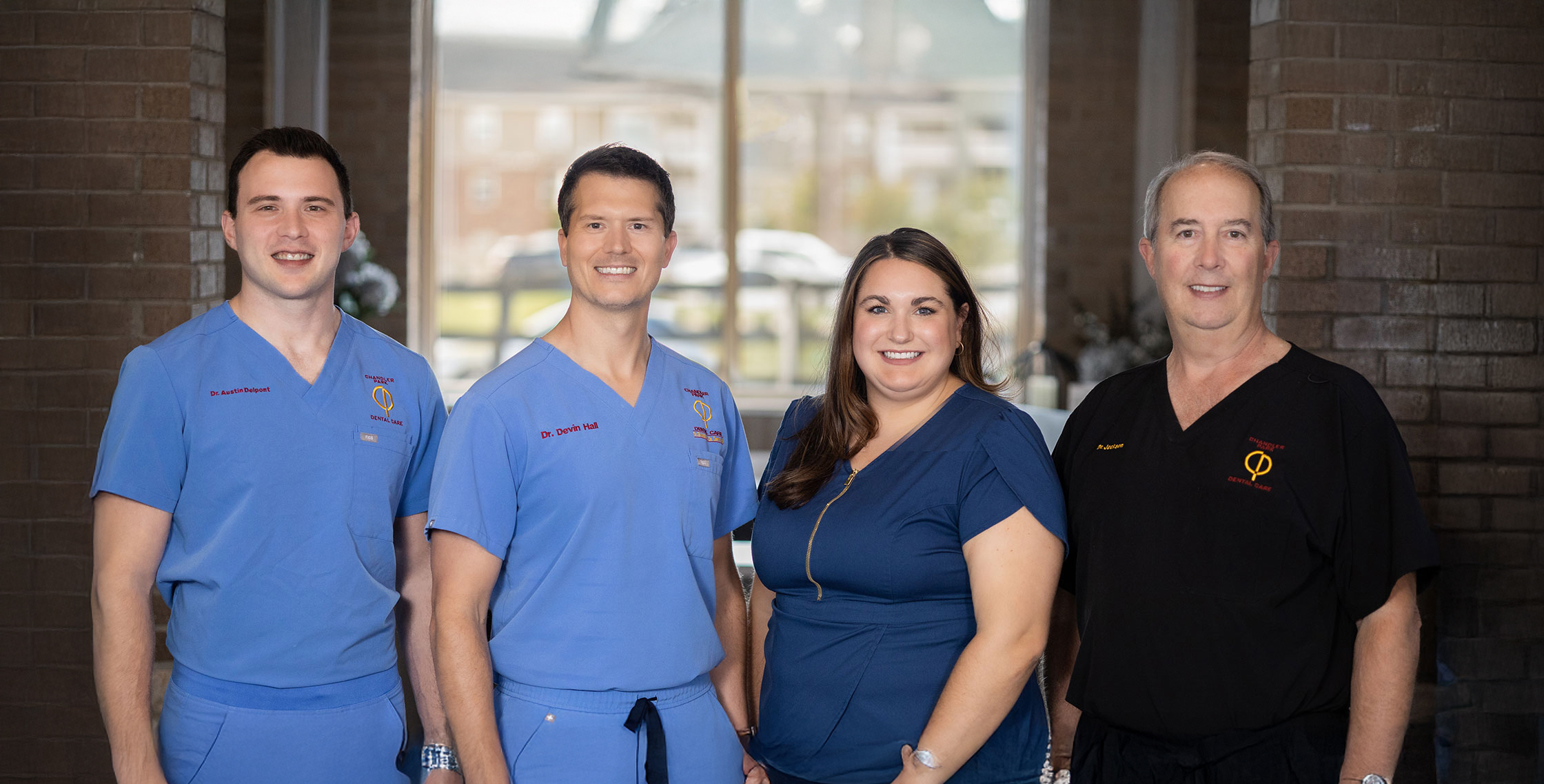
Chandler Park Dental Care provides comprehensive restorative dentistry services. The practice offers crowns, bridges, root canal therapy, and extractions. Dr. Eli Jackson leads the restorative team with a focus on preserving natural teeth and restoring oral function.
The practice serves patients throughout Warren County, including Bowling Green, Alvaton, Rockfield, Richpond, Smiths Grove, and Woodburn. Patients from Scottsville and surrounding communities also access restorative services. The central location provides convenient access for patients across the region.
Chandler Park Dental Care emphasizes patient education and personalized treatment planning. The team explains each procedure and answers patient questions. Treatment is tailored to individual needs and goals. The practice accepts various insurance plans and offers flexible payment options.
Frequently Asked Questions About Restorative Dentistry
People Also Ask About Restorative Dentistry
What is the difference between a filling and a crown?
Fillings repair small cavities within the tooth structure. Crowns cover the entire visible portion of the tooth. Crowns protect teeth with extensive decay, large fillings, or cracks. The dentist recommends the appropriate treatment based on the extent of damage.
How long does a bridge last?
Dental bridges typically last five to fifteen years. Lifespan depends on oral hygiene, diet, and regular professional maintenance. Proper care extends bridge life. The dentist monitors bridge condition during routine checkups.
Can I have restorative work done if I have gum disease?
Gum disease must be treated before restorative procedures. Active periodontal disease compromises restoration success. The dentist treats the gum disease first. Restorative treatment proceeds after the gums are healthy.
Restorative Dentistry: Protecting Your Smile and Your Health
Restorative dentistry repairs damaged teeth and restores oral function. Crowns protect weakened teeth. Bridges fill gaps from missing teeth. Root canal therapy saves infected teeth from extraction. Each procedure serves a specific purpose in preserving natural teeth.
Restorative treatment improves oral health, function, and quality of life. Patients eat comfortably, speak clearly, and smile confidently. The investment in restorative dentistry pays dividends in long-term health and well-being.
Chandler Park Dental Care provides comprehensive restorative services for patients throughout Bowling Green, Warren County, and surrounding communities. The practice offers personalized treatment planning and state-of-the-art restorative procedures. Patients seeking restorative treatment can schedule a consultation to learn more about their options.
For additional information about comprehensive dental care, review the Complete Guide to Comprehensive Dental Care. The practice welcomes patients seeking restorative treatment and smile preservation.
Sources
The information in this guide draws from the following authoritative organizations and clinical resources:
- American Dental Association (ADA) — Oral Health Topics
- American Association of Endodontists (AAE) — Root Canal Safety
- National Institute of Dental and Craniofacial Research (NIDCR)
- Centers for Disease Control and Prevention (CDC) — Oral Health
Last reviewed: July 2026
About the Author
Dr. Eli Jackson, DMD is a general dentist who provides comprehensive restorative dentistry services at Chandler Park Dental Care. Dr. Jackson performs crowns, bridges, root canal therapy, and extractions. He focuses on preserving natural teeth and restoring oral function for patients of all ages.
At Chandler Park Dental Care, Dr. Jackson offers personalized restorative treatment for patients throughout Bowling Green, Alvaton, Rockfield, Smiths Grove, and Scottsville.