Restorative dental procedures restore oral health and function. Many patients feel anxious about dental treatment. Understanding the process reduces anxiety and improves the experience. Knowing what to expect before, during, and after treatment helps patients feel prepared and in control.
This guide explains the restorative procedure experience. It covers preparation, the procedure itself, recovery, and comfort options. For a complete overview of restorative dentistry, see the Restorative Dentistry Guide. For comprehensive dental care information, review the Complete Guide to Comprehensive Dental Care. Patients in Bowling Green and surrounding communities trust Chandler Park Dental Care for comfortable restorative treatment.
Table of Contents
Key Takeaways (TL;DR)
- Restorative procedures are pain-free during treatment. Local anesthesia numbs the treatment area. Patients do not feel pain during the procedure. Additional comfort options are available for anxious patients.
- Preparation ensures smooth treatment. Provide your medical history. Discuss medications and allergies. Ask questions about the procedure. Preparation reduces complications and improves outcomes.
- Recovery is typically quick. Most patients return to normal activities within 24 hours. Over-the-counter pain relievers manage post-procedure discomfort. Follow aftercare instructions for optimal healing.
- Communication with your dentist is essential. Share concerns before treatment. Ask questions throughout the process. Report any unexpected symptoms after treatment. Good communication improves the patient experience.
- Sedation options help anxious patients. Nitrous oxide, oral sedation, and IV sedation are available. These options make treatment comfortable for patients with dental anxiety.
How Should You Prepare for a Restorative Procedure?
Preparation is the first step in a successful restorative procedure. Proper preparation ensures patient safety and treatment effectiveness. Patients who prepare well experience smoother procedures and better outcomes.
Medical History Review
Provide a complete medical history to your dentist. Include all medical conditions and medications. Inform the dentist about allergies, especially to antibiotics or local anesthetics. Review your medical history before each procedure. Changes in health status may affect treatment planning.
Medication Considerations
Discuss all medications with your dentist. Some medications affect dental treatment. Blood thinners may need adjustment before certain procedures. Antibiotic prophylaxis may be needed for patients with certain heart conditions. Follow your dentist’s instructions regarding medication before treatment.
Questions to Ask Your Dentist
Ask questions before treatment begins. Understanding the procedure reduces anxiety. Patients should ask about the type of restoration, treatment duration, and what to expect during recovery. Questions about costs, insurance coverage, and payment options are also appropriate.
Pre-Procedure Instructions
Follow pre-procedure instructions carefully. Some procedures require fasting before sedation. Avoid alcohol before dental treatment. Arrange transportation if receiving sedation. Wear comfortable clothing to your appointment. Arrive early to complete paperwork.
What Happens During the Restorative Procedure?
The restorative procedure follows a structured sequence. Understanding each step helps patients feel prepared and comfortable. The process varies by procedure type but follows a general pattern.
Anesthesia Administration
Local anesthesia numbs the treatment area. The dentist administers the anesthetic with a small injection. Patients feel a brief pinch followed by numbness. The anesthetic takes effect within minutes. The dentist tests the numbness before beginning the procedure. Patients should report any sensation during treatment.
Tooth Preparation
The dentist prepares the tooth for restoration. Preparation involves removing decay and shaping the tooth. The dentist removes only the damaged structure. Healthy tooth structure is preserved. The preparation creates space for the restoration. The dentist ensures the tooth is ready for the restoration material.
Impression or Digital Scan
The dentist takes an impression or digital scan of the prepared tooth. Traditional impressions use a soft material placed in the mouth. The material sets in a few minutes. Digital scans use a handheld wand to capture the tooth shape. Scans are more comfortable for some patients.
Restoration Placement
The dentist places the permanent restoration. Some restorations are fabricated in the lab. These require a second appointment. Same-day crowns are fabricated in the office. They are placed in a single visit. The dentist checks the fit, bite, and appearance of the restoration. Adjustments are made as needed.
Temporary Restorations
Some patients receive temporary restorations. Temporary crowns protect the prepared tooth while the permanent restoration is fabricated. Temporary restorations are worn for one to two weeks. Patients should avoid hard and sticky foods with temporary restorations.
What Comfort Options Are Available During Treatment?
Dentists offer several comfort options for patients. These options help anxious patients relax during treatment. Understanding the options helps patients choose the right approach for their needs.
Local Anesthesia
Local anesthesia is standard for restorative procedures. It eliminates pain during treatment. The dentist administers the anesthetic with a small needle. The area becomes completely numb. Patients feel pressure but no pain during the procedure.
Nitrous Oxide (Laughing Gas)
Nitrous oxide is a mild sedative gas. It induces relaxation during treatment. The patient breathes the gas through a nasal mask. The effect begins within minutes. Patients remain conscious and responsive. The gas wears off quickly after treatment. Patients can drive themselves home after nitrous oxide.
Oral Sedation
Oral sedation involves taking a prescribed pill before treatment. The medication reduces anxiety and induces relaxation. Patients feel drowsy but remain responsive. The effect lasts several hours. Patients need transportation to and from the appointment.
IV Sedation
IV sedation provides deeper relaxation. The dentist administers medication through an IV line. Patients relax deeply but remain able to respond to commands. Patients have little memory of the procedure. IV sedation is appropriate for complex cases or severe anxiety. Patients need a driver and escort after treatment.
What Should You Expect After the Procedure?
Recovery after restorative procedures is typically quick. Understanding what to expect helps patients manage their recovery effectively. Following aftercare instructions ensures optimal healing.
Immediate Recovery
The numbing effect lasts several hours after treatment. Patients should avoid eating until feeling returns. Chewing while numb may cause injury. Rest and avoid strenuous activity. Most patients return to normal activities within 24 hours.
Managing Discomfort
Some discomfort is normal after restorative treatment. Over-the-counter pain relievers like ibuprofen or acetaminophen manage discomfort effectively. Apply cold compresses to reduce swelling if needed. The dentist may prescribe medication for more extensive procedures.
Dietary Adjustments
Soft foods are recommended for the first 24 hours. Avoid hard, crunchy, or sticky foods. Avoid very hot or cold foods while numb. Gradually return to normal eating as comfort allows. Chew on the opposite side of the mouth if soreness exists.
Oral Hygiene After Treatment
Continue regular brushing and flossing after treatment. Be gentle around the treated area. Use a soft-bristled brush. Rinse with warm salt water if recommended. Resume normal hygiene as comfort allows.
When to Call Your Dentist
Contact your dentist if you experience unusual symptoms. Severe pain not relieved by medication needs attention. Swelling that worsens after 48 hours should be evaluated. Persistent bleeding or fever require immediate contact. Loose restorations need prompt correction.
Frequently Asked Questions About Restorative Procedures
People Also Ask About Restorative Procedures
How do I manage dental anxiety before my appointment?
Several strategies help manage dental anxiety. Discuss concerns with your dentist before treatment. Arrive early to relax before the appointment. Bring headphones to listen to music. Practice deep breathing during treatment. Consider sedation options if anxiety is severe. Remember that modern dentistry is comfortable and pain-free.
Can I eat before my appointment?
Eating before your appointment depends on the procedure. Patients receiving sedation should follow fasting instructions. Patients not receiving sedation can eat normally. Avoid heavy meals before treatment. Ask your dentist about specific dietary instructions before your appointment.
How soon can I return to work after treatment?
Most patients return to work the same day. Simple procedures like fillings require no downtime. More complex procedures like root canals may require rest. Patients receiving sedation should take the rest of the day off. Follow your dentist’s recommendations for your specific procedure.
Making Your Restorative Procedure a Positive Experience
Restorative procedures restore oral health and improve quality of life. Understanding the process reduces anxiety and improves the patient experience. Preparation, communication, and appropriate comfort options ensure treatment is comfortable and effective.
Modern restorative dentistry offers advanced techniques for patient comfort. Local anesthesia eliminates pain during treatment. Sedation options help anxious patients relax. Recovery is typically quick and manageable with proper aftercare.
Chandler Park Dental Care provides comfortable restorative treatment for patients throughout Bowling Green, Warren County, and surrounding communities. The practice offers personalized care and multiple comfort options. Patients seeking restorative treatment can schedule a consultation to learn more about their options.
For additional information about restorative dentistry, review the Restorative Dentistry Guide. The practice welcomes patients seeking comfortable, effective restorative treatment.
Sources
The information in this guide draws from the following authoritative organizations and clinical resources:
- American Dental Association (ADA) — Oral Health Topics
- American Association of Endodontists (AAE) — Patient Information
- National Institute of Dental and Craniofacial Research (NIDCR)
- ADA Seal of Acceptance — Dental Products
Last reviewed: July 2026
About the Author
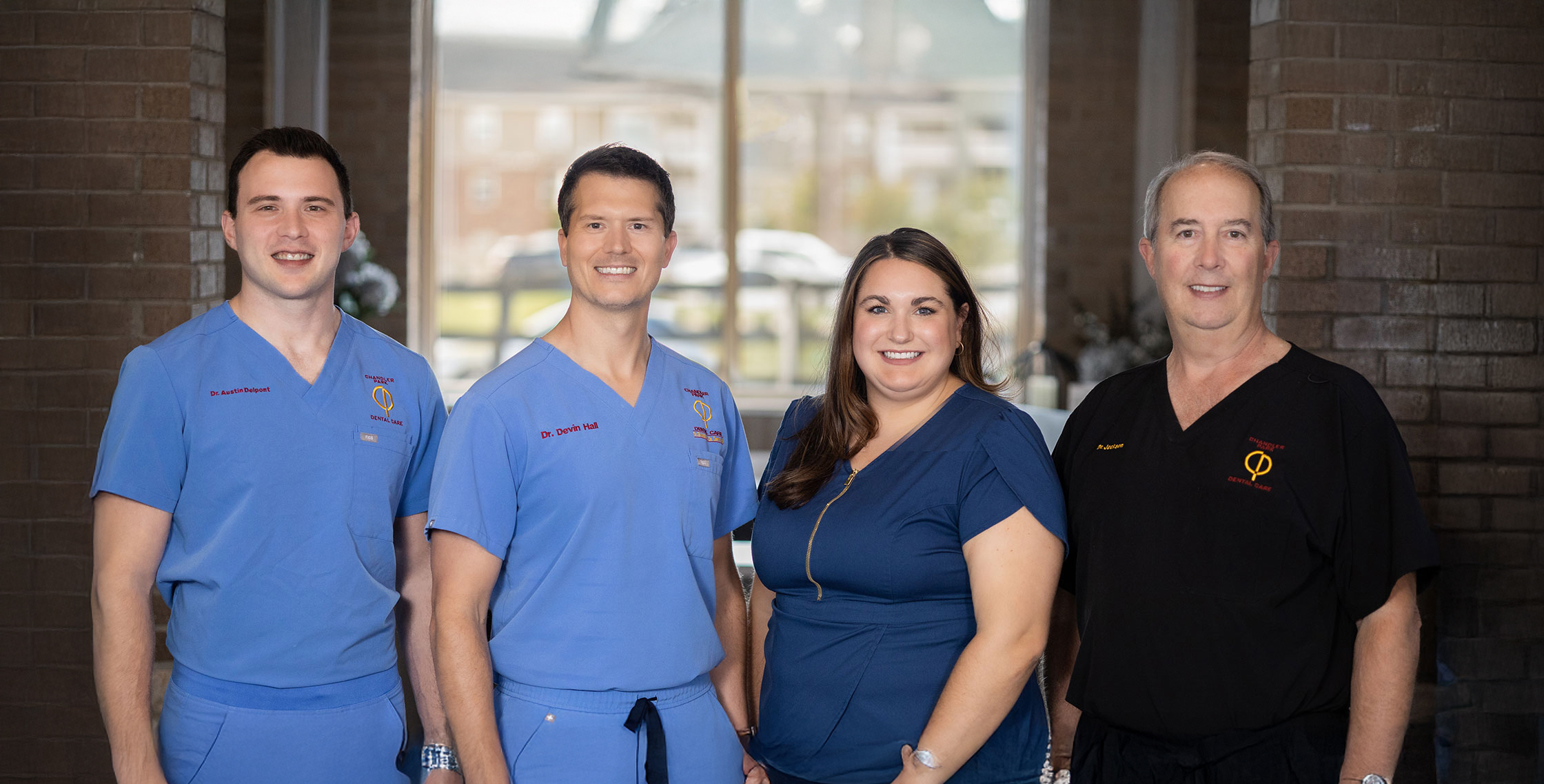
Dr. Eli Jackson, DMD is a general dentist who provides comfortable restorative treatment at Chandler Park Dental Care. Dr. Jackson understands that dental procedures can be intimidating. He prioritizes patient comfort and communication throughout treatment.
At Chandler Park Dental Care, Dr. Jackson offers restorative procedures with multiple comfort options for patients throughout Bowling Green, Alvaton, Rockfield, Smiths Grove, and Scottsville.