A strong, healthy jawbone is the non-negotiable foundation for a successful dental implant. For many in Bowling Green, KY, bone loss due to past tooth extractions, periodontal disease, or natural anatomy can feel like an insurmountable barrier to achieving a stable, permanent smile. However, modern dentistry offers a reliable solution: bone grafting. This routine preparatory procedure is a cornerstone of implant dentistry, expertly rebuilding the jaw’s structure to support an implant that can last a lifetime. For patients across Warren County, from Alvaton to Rockfield, understanding bone grafting demystifies the implant journey and sets realistic expectations. This guide explains what bone grafting entails, why it’s often necessary, and what Bowling Green residents can genuinely expect from consultation through recovery, highlighting the precise planning involved in comprehensive, multi-specialty dental care.
Table of Contents
Key Takeaways (TL;DR)
- Foundation for Success: Bone grafting rebuilds lost jawbone, creating the stable foundation necessary for long-lasting dental implants through osseointegration.
- Common & Routine: It is a standard, safe procedure in implant dentistry, frequently required for patients in Bowling Green who have had missing teeth for an extended period or have experienced bone resorption.
- Multiple Graft Options: Different materials (autograft, allograft, xenograft, alloplast) are used based on the defect’s size and location. Common procedures include the sinus lift for upper jaw implants.
- Predictable Healing: A typical integration period lasts 3-6 months. Meticulous aftercare—including a soft diet and specific oral hygiene—is critical for successful graft healing.
- Local Planning Advantage: Dental providers in the Warren County area utilize advanced imaging like 3D CBCT scans for precise surgical planning, improving outcomes for patients from Alvaton to Scottsville.
What is Bone Grafting & Why is it Needed for Dental Implants?
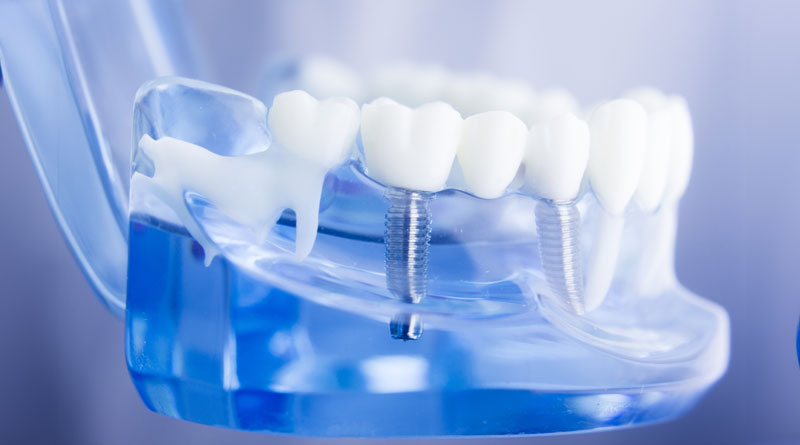
Bone grafting is a surgical procedure that rebuilds and strengthens the jawbone by adding bone or bone-like material to a deficient area. Think of it as reinforcing the foundation of a house before building; the implant is the house, and the jawbone is the foundation. For a dental implant to succeed, it must fuse with the jawbone through a process called osseointegration. This requires adequate bone volume, density, and height.
Why does bone loss happen? Following a tooth extraction or due to advanced periodontal disease, the jawbone in that area begins to resorb—or shrink away—because it no longer receives the necessary stimulation from the tooth root. This is a natural physiological process, but it can leave insufficient bone to support an implant. For patients in Bowling Green and surrounding communities like Richpond or Plano who have been missing teeth for months or years, this is a common clinical finding.
Signs you might need a bone graft before an implant include:
- A tooth has been missing for more than a year.
- A history of gum disease that has affected bone support.
- A feeling of thin or narrow jawbone structure.
- A diagnosis from a dentist indicating insufficient bone volume on an X-ray or 3D scan.
By addressing bone deficiency first, grafting transforms a site from unsuitable to ideal, dramatically increasing the long-term success rate of the dental implant procedure. It’s a proactive step that ensures your restoration is built to last.
Types of Bone Grafts Used in Implant Dentistry
Not all bone grafts are the same. The type of graft material selected depends on the size and location of the bone defect, overall health, and the surgeon’s clinical judgment. During consultations in Warren County, dentists explain these options to help patients understand their personalized treatment plan.
| Graft Type | Source | Key Characteristics |
|---|---|---|
| Autograft | Patient’s own bone (e.g., from chin, hip) | Gold standard; highest biocompatibility and success rate; requires a second surgical site. |
| Allograft | Processed human donor bone | Commonly used in dentistry; safe, rigorously tested; no second surgery needed. |
| Xenograft | Animal bone (usually bovine) | Biocompatible framework that your body slowly replaces with new bone. |
| Alloplast | Synthetic materials (e.g., hydroxyapatite) | Lab-created; acts as a scaffold for new bone growth. |
Sinus Lift (Sinus Augmentation) for Upper Jaw Implants
A specialized type of graft common in implant dentistry is the sinus lift. The upper back jaw has less dense bone and is located below the maxillary sinuses. When bone height is insufficient here, a surgeon carefully lifts the sinus membrane and places a bone graft beneath it. This creates the necessary room and foundation for implants. This procedure is often key for patients missing upper molar teeth and is a routine part of planning for a full-arch restoration.
The Bone Grafting Procedure: Step-by-Step
Modern bone grafting is a precise, planned procedure. Here’s what patients in the Bowling Green area can generally expect from start to finish:
- Consultation & 3D Planning: The journey begins with a comprehensive exam, often including a 3D Cone Beam CT (CBCT) scan. This advanced imaging, available at many local practices, provides a detailed map of your jawbone, sinuses, and nerves, allowing for millimeter-perfect surgical planning.
- Anesthesia & Comfort: The procedure is performed under local anesthesia to numb the area completely. For patient comfort and anxiety management, sedation dentistry options like oral sedatives or nitrous oxide are often available.
- The Surgical Process:
- A small incision is made in the gum to expose the bone.
- The area is prepared, and the chosen graft material is placed.
- A collagen membrane may be used to cover the graft, protecting it and guiding new bone growth.
- The site is then sutured closed.
- Immediate Post-Op: You will leave with detailed aftercare instructions. Mild swelling and discomfort are normal and manageable with prescribed or over-the-counter medication.
Healing Timeline & Aftercare in Bowling Green
Successful graft healing and osseointegration of the graft material with your natural bone require time and proper care. The total integration period typically ranges from 3 to 6 months before the implant can be placed.
- Initial Healing (First 1-2 Weeks): Focus is on managing swelling and discomfort. Stick to a soft, cool diet—think yogurt, smoothies, mashed potatoes, or soups from local favorites. Avoid chewing on the surgical site.
- Graft Integration (Months 1-6): During this period, your body builds new bone within the graft framework. It’s a silent process, but follow-up visits will monitor progress via X-rays.
- Verifiable Experience: Ask about the dentist’s or surgeon’s specific training and number of grafting procedures performed.
- Proper Credentials: Ensure they are licensed by the Kentucky Board of Dentistry and maintain ongoing education in surgical techniques.
- Technology for Precision: The use of 3D CBCT imaging for diagnosis and surgical guidance is a marker of a modern, detailed approach.
- Clear Communication: They should provide a transparent treatment plan and cost estimate, answering all your questions about the procedure, timeline, and investment.
Risks, Success Rates, & How to Choose a Provider in Bowling Green
As with any surgical procedure, bone grafting carries minor risks, such as infection, swelling, or graft failure. However, when performed by an experienced professional following sterile protocols, it is highly predictable. Success rates for dental bone grafts are consistently above 90%, especially when patients adhere to aftercare instructions.
Choosing the right provider is one of the most critical steps for a successful outcome. For patients evaluating implant and grafting providers serving Bowling Green, Smiths Grove, and Woodburn, consider this checklist:
Essential Aftercare Dos and Don’ts:
DO:
- Take prescribed medications as directed.
- Apply ice packs to reduce swelling for the first 48 hours.
- Maintain gentle oral hygiene, avoiding the surgical site initially.
- Keep all scheduled follow-up appointments.
DON’T:
- Smoke or use tobacco products, as they severely hinder healing.
- Use a straw for the first few days (suction can disrupt the clot).
- Engage in strenuous exercise for the first week.
- Probe the area with your tongue or fingers.
FAQs About Bone Grafting in Bowling Green, KY
Is bone grafting for dental implants painful?
During the procedure, you should feel no pain due to local anesthesia. Post-operatively, any discomfort is typically mild to moderate and can be effectively managed with prescribed or over-the-counter pain medication. Most patients report it is less uncomfortable than a tooth extraction.
How much does bone grafting cost in Kentucky?
The cost varies significantly based on the type and amount of graft material needed and the complexity of the procedure (e.g., a sinus lift costs more than a minor ridge augmentation). It is an investment in the long-term success of your implant. For a detailed breakdown of factors influencing the total cost of implant treatment, including grafting, refer to our guide on dental implant costs in Bowling Green.
Does dental insurance cover bone grafting?
Coverage varies widely by plan. Some insurance policies may cover a portion of the graft if it is deemed medically necessary to support an implant. It is essential to consult with your insurance provider and the dental office’s billing coordinator for a specific benefits check.
What are the signs of a failed bone graft?
Signs are uncommon but can include persistent or worsening pain, swelling that increases after a few days, pus or discharge from the site, or the graft material becoming exposed and not healing. Regular follow-up appointments are designed to catch and manage any potential issues early.
Am I too old for bone grafting and dental implants?
Age is rarely a limiting factor for bone grafting or implants. Overall health and bone healing capacity are more important considerations. Many seniors successfully undergo bone grafting and enjoy the benefits of dental implants, which can improve nutrition, speech, and quality of life.
Bone grafting is a testament to the advancements in modern dentistry, turning what was once a barrier to implant treatment into a routine and highly predictable procedure. For residents of Bowling Green and Warren County, it represents a proactive step toward a durable, functional, and natural-looking smile. By choosing a provider who utilizes precise planning with advanced technology and who clearly communicates each phase of care—from the initial graft to the final crown—you invest in a foundation designed for long-term success.
Strategic CTA (Consideration – Middle Funnel): To understand the full journey from consultation to final restoration, read our detailed overview of the dental implant process in Bowling Green, KY.
About the Author & Practice Leadership
Dr. Devin T. Hall, DMD, is a leading dental provider at Chandler Park Dental Care in Bowling Green, KY. With a commitment to continuing education in surgical and restorative dentistry, Dr. Hall and his team focus on providing comprehensive, patient-centered care. Their approach integrates advanced technology, such as 3D imaging and modern grafting techniques, with a deep understanding of the needs of the local community to deliver predictable, long-lasting results. For more information on Dr. Hall’s background and the practice philosophy, visit the Meet the Dentists page. This article was medically reviewed by Dr. Austin Delpont, DMD, a lead dentist at Chandler Park Dental Care.
Sources
- American Academy of Implant Dentistry (AAID). Bone Grafting for Dental Implants.
- American Dental Association (ADA). Oral Health Topics: Dental Implants.
- Clinical Oral Implants Research (Peer-Reviewed Journal). Studies on bone graft success rates and osseointegration.
Last reviewed: December 2025