Missing teeth affect more than appearance. They impact chewing, speech, and overall oral health. Choosing the right tooth replacement option is an important decision. The right choice restores function, preserves bone, and improves quality of life. The wrong choice may lead to additional problems and costs. Understanding the options helps patients make informed decisions.
This guide explains tooth replacement options including implants, bridges, and dentures. It covers candidacy, benefits, drawbacks, and factors to consider when making a decision. For a complete overview of restorative dentistry, see the Restorative Dentistry Guide. For comprehensive dental care information, review the Complete Guide to Comprehensive Dental Care. Patients in Bowling Green and surrounding communities trust Chandler Park Dental Care for expert restorative treatment.
Table of Contents
Key Takeaways (TL;DR)
- Dental implants preserve bone and function like natural teeth. They last longer than other options but require surgery and adequate bone density.
- Dental bridges replace teeth without surgery. They use adjacent teeth for support. They cost less than implants but require altering healthy teeth.
- Dentures are removable and affordable. They work well for patients missing many teeth. They do not prevent bone loss and may become loose over time.
- Choosing the right option depends on several factors. Consider bone health, number of missing teeth, budget, and lifestyle preferences. Your dentist can help guide your decision.
- Replacing missing teeth protects your oral health. Gaps cause adjacent teeth to shift. Bone loss occurs at the missing tooth site. Tooth replacement prevents these problems.
Why Is It Important to Replace Missing Teeth?
Replacing missing teeth is essential for oral health. The gaps caused by tooth loss create problems that worsen over time. Understanding these consequences helps patients appreciate the importance of tooth replacement.
Bone Loss
The jawbone requires stimulation from teeth to maintain its density. When a tooth is lost, the bone no longer receives this stimulation. The body breaks down the unused bone. This process is called resorption. Bone loss occurs most rapidly in the first year after tooth loss. Over time, the bone shrinks significantly. This changes the facial structure and creates a sunken appearance.
Tooth Shifting
Teeth naturally drift toward gaps. Adjacent teeth tilt into the empty space. Teeth in the opposite jaw move upward or downward. This shifting creates bite problems. Crooked teeth are harder to clean. The risk of decay and gum disease increases. Bite problems can cause jaw pain and headaches.
Difficulty Eating
Missing teeth make eating difficult. Patients avoid hard, chewy, or sticky foods. They may eat less nutritious foods. This affects overall health. Proper chewing is essential for digestion. Missing teeth compromise the ability to chew effectively.
Speech Problems
Teeth are essential for clear speech. They create the sounds needed for certain consonants. Missing teeth, especially front teeth, affect pronunciation. Patients may mumble or lisp. This affects confidence in social situations.
Dental Implants: The Permanent Solution
Dental implants replace both the tooth root and the visible crown. They are the closest option to natural teeth. Implants preserve bone and provide permanent, stable function.
How Implants Work
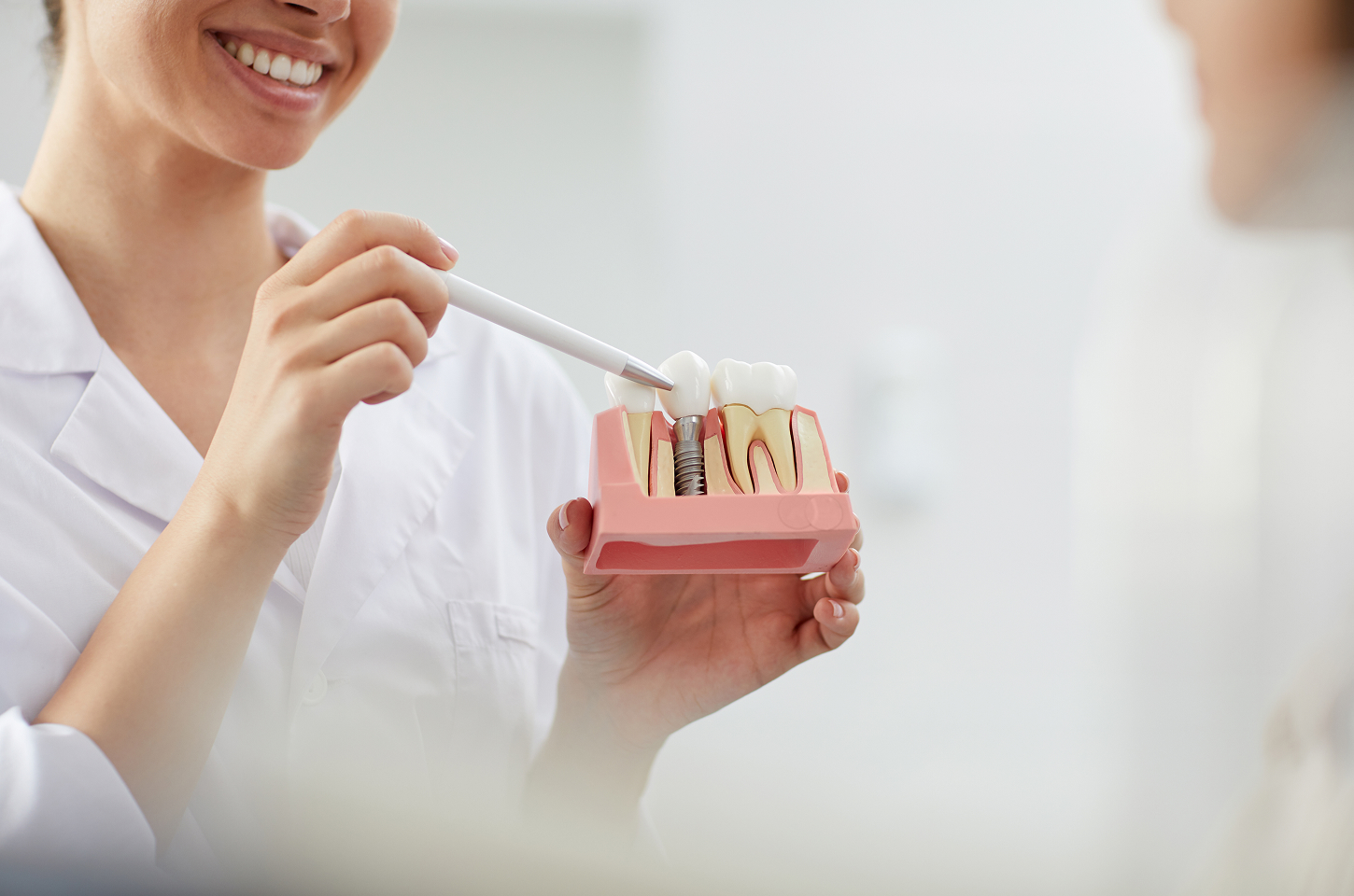
A titanium post is surgically placed into the jawbone. This post serves as the new tooth root. The bone fuses with the titanium through osseointegration. An abutment connects the post to the final restoration. The restoration is a crown, bridge, or denture.
Advantages of Implants
Implants preserve bone and prevent facial collapse. They function like natural teeth and allow unrestricted eating. They do not affect adjacent teeth. They are the longest-lasting option. Implants provide the most natural appearance and feel. Success rates exceed 95% in healthy patients.
Who Is a Candidate?
Most healthy adults are candidates for implants. Adequate bone density is essential. Patients with insufficient bone may need bone grafting. Gum disease must be treated before implant placement. Heavy smokers and patients with uncontrolled medical conditions may not be suitable candidates.
Dental Bridges: A Non-Surgical Option
Dental bridges replace missing teeth using adjacent teeth for support. They are fixed restorations that cannot be removed by the patient. Bridges are a good option for patients who cannot or choose not to have implants.
How Bridges Work
The adjacent teeth are prepared by removing enamel. Crowns are placed on these teeth. The crowns anchor the bridge. The replacement tooth, called a pontic, fills the gap. The bridge is cemented in place.
Advantages of Bridges
Bridges do not require surgery. The treatment is faster than implants. Bridges cost less than implants. They provide stable function and natural appearance. They are a good option for patients with insufficient bone.
Drawbacks of Bridges
Bridges require altering adjacent teeth. This permanent change affects healthy teeth. Bridges do not prevent bone loss at the missing tooth site. The bone resorbs over time. Bridges may need replacement every ten to fifteen years.
Dentures: The Traditional Removable Option
Dentures are removable appliances that replace multiple missing teeth. They are the most affordable option for extensive tooth loss. Dentures have been used for generations and remain a viable treatment choice.
Types of Dentures
Complete dentures replace all teeth on the upper or lower arch. Partial dentures replace some missing teeth. Implant-supported dentures combine implants with removable dentures for improved stability.
Advantages of Dentures
Dentures are the most affordable option. They do not require surgery. They work for patients with bone loss. They are removable for easy cleaning. They restore the appearance of a full smile.
Drawbacks of Dentures
Dentures do not prevent bone loss. Bone continues to resorb over time. This causes poor fit and the need for periodic relining. Dentures may slip during eating and speaking. Chewing function is reduced compared to natural teeth or implants. Some patients find dentures uncomfortable.
Comparing Tooth Replacement Options
Each tooth replacement option has different characteristics. Understanding these differences helps patients choose the right option for their needs.
How to Choose the Right Option for You
Choosing the right tooth replacement option requires considering several factors. The dentist evaluates each patient individually. Personal preferences also play a role in the decision.
Number of Missing Teeth
A single missing tooth can be replaced with an implant or a bridge. Multiple missing teeth may require multiple implants, a bridge, or a partial denture. All teeth missing on an arch require a full denture or implant-supported denture.
Bone Health
Bone density determines implant candidacy. Patients with adequate bone are good candidates for implants. Patients with bone loss may need bone grafting before implants. Some patients choose bridges or dentures to avoid grafting.
Budget
Cost varies significantly by option. Dentures are the most affordable. Bridges cost more than dentures. Implants cost the most initially. However, implants last longer and have lower long-term maintenance costs. Consider both short-term and long-term costs.
Lifestyle Preferences
Some patients prefer a permanent solution. Others prefer removable options. Patients who play contact sports may avoid implants due to trauma risk. Patients with limited dexterity may prefer fixed options that do not require removal for cleaning.
Smoking and Health Conditions
Smoking reduces implant success rates. Heavy smokers may be better candidates for bridges or dentures. Uncontrolled diabetes affects healing and may complicate implant placement. The dentist considers overall health when recommending treatment.
Frequently Asked Questions About Tooth Replacement
People Also Ask About Tooth Replacement
Which tooth replacement option is best?
There is no single best option for everyone. Dental implants offer the most natural function and longest lifespan. Bridges work well for patients who cannot or choose not to have implants. Dentures are appropriate for patients with extensive tooth loss. The best option depends on your individual needs and circumstances.
Can I get a tooth replacement if I have bone loss?
Yes. Patients with bone loss have several options. Bridges and dentures do not require bone. Implants may be possible after bone grafting. The dentist evaluates bone density and recommends appropriate treatment. Do not assume bone loss prevents tooth replacement.
How long does tooth replacement treatment take?
Treatment duration varies. Bridges and dentures take two to four weeks from start to finish. Implants take three to nine months because of the healing period. The dentist provides a personalized timeline during the consultation. Temporary restorations are available during treatment.
Making an Informed Decision About Tooth Replacement
Tooth replacement is an important decision. The right choice restores function, preserves oral health, and improves quality of life. Understanding the options helps patients make informed decisions.
Dental implants preserve bone and function like natural teeth. Bridges replace teeth without surgery. Dentures are affordable and removable. Each option has advantages and drawbacks. The dentist helps patients choose the right option for their needs.
Chandler Park Dental Care provides comprehensive tooth replacement services for patients throughout Bowling Green, Warren County, and surrounding communities. The practice offers personalized treatment planning for implants, bridges, and dentures. Patients seeking tooth replacement can schedule a consultation to explore their options.
For additional information about restorative dentistry, review the Restorative Dentistry Guide. For detailed information about dental implants, see the Dental Implants Guide. The practice welcomes patients seeking tooth replacement and smile restoration.
Sources
The information in this guide draws from the following authoritative organizations and clinical resources:
- American Dental Association (ADA) — Dental Implants
- American College of Prosthodontists (ACP) — Implants
- National Institute of Dental and Craniofacial Research (NIDCR) — Dental Implants
- Centers for Disease Control and Prevention (CDC) — Oral Health
Last reviewed: July 2026
About the Author
Dr. Eli Jackson, DMD is a general dentist who provides comprehensive tooth replacement services at Chandler Park Dental Care. Dr. Jackson places dental implants, fits bridges, and creates custom dentures. He helps patients choose the right tooth replacement option for their individual needs.
At Chandler Park Dental Care, Dr. Jackson offers tooth replacement services for patients throughout Bowling Green, Alvaton, Rockfield, Smiths Grove, and Scottsville.