Dental restorations are investments in oral health. They require careful consideration of materials, durability, and appearance. Understanding the options helps patients make informed decisions about their dental care. The right restoration functions well, looks natural, and lasts for years.
This guide explains dental restoration types, materials, and factors affecting longevity. It covers crowns, bridges, and other restorations. For a complete overview of restorative dentistry, see the Restorative Dentistry Guide. For comprehensive dental care information, review the Complete Guide to Comprehensive Dental Care. Patients in Bowling Green and surrounding communities trust Chandler Park Dental Care for expert restorative treatment.
Table of Contents
Key Takeaways (TL;DR)
- Multiple crown materials exist. Ceramic, porcelain-fused-to-metal, gold, and zirconia each have different properties. The best choice depends on the tooth location and patient preference.
- Restoration longevity varies significantly. Gold crowns often last 15 years or more. Ceramic crowns may last 5 to 10 years. Longevity depends on material, oral hygiene, and patient habits.
- Zirconia offers excellent strength and aesthetics. This material works well for posterior teeth. It is biocompatible and metal-free.
- Proper care extends restoration life. Regular brushing, flossing, and dental visits protect your investment. Avoid hard foods and damaging habits.
- Same-day crowns use CEREC technology. These restorations are fabricated in a single visit. They eliminate temporary crowns and second appointments.
What Materials Are Used for Dental Crowns?
Dental crowns are fabricated from several materials. Each material has different properties. The choice depends on the tooth location, aesthetic requirements, and functional needs. Understanding these options helps patients make informed decisions.
Ceramic Crowns
Ceramic crowns are made entirely of porcelain or lithium disilicate. They provide the most natural appearance. The material mimics the translucency of natural tooth enamel. Ceramic crowns are metal-free. They work well for front teeth where aesthetics matter most. The material is biocompatible and does not cause allergic reactions. Ceramic crowns typically last five to ten years with proper care.
Porcelain-Fused-to-Metal Crowns
Porcelain-fused-to-metal crowns combine strength with aesthetics. A metal base provides strength. A porcelain layer covers the metal for natural appearance. These crowns are durable and long-lasting. They work well for both front and back teeth. Some patients prefer them for posterior teeth where chewing forces are higher. These crowns typically last ten to fifteen years.
Gold Crowns
Gold crowns are the most durable option. They do not wear down opposing teeth. Gold is biocompatible and gentle on gums. The material requires minimal tooth reduction. Gold crowns are the longest-lasting option, often exceeding 15 years. Some patients choose gold for back teeth where strength matters most. The metallic appearance makes them unsuitable for visible front teeth.
Zirconia Crowns
Zirconia crowns offer exceptional strength and aesthetics. Zirconia is a ceramic material with high flexural strength. It is metal-free and biocompatible. The material is highly durable and resists chipping. Zirconia crowns work well for posterior teeth. They can also be used for anterior teeth with aesthetic layering. Zirconia crowns typically last ten to fifteen years.
What Are the Options for Dental Bridges?
Dental bridges replace missing teeth. They come in different designs. The design depends on the location of the gap and the condition of adjacent teeth.
Traditional Bridges
Traditional bridges are the most common type. They use crowns on the adjacent teeth for support. The adjacent teeth are prepared by removing enamel. Crowns are placed on these teeth. The replacement tooth is attached to the crowns. Traditional bridges are durable and provide good function.
Cantilever Bridges
Cantilever bridges use one adjacent tooth for support. This design works when teeth are missing on only one side of the gap. Cantilever bridges are less common than traditional bridges. They are appropriate when only one natural tooth is available for support.
Implant-Supported Bridges
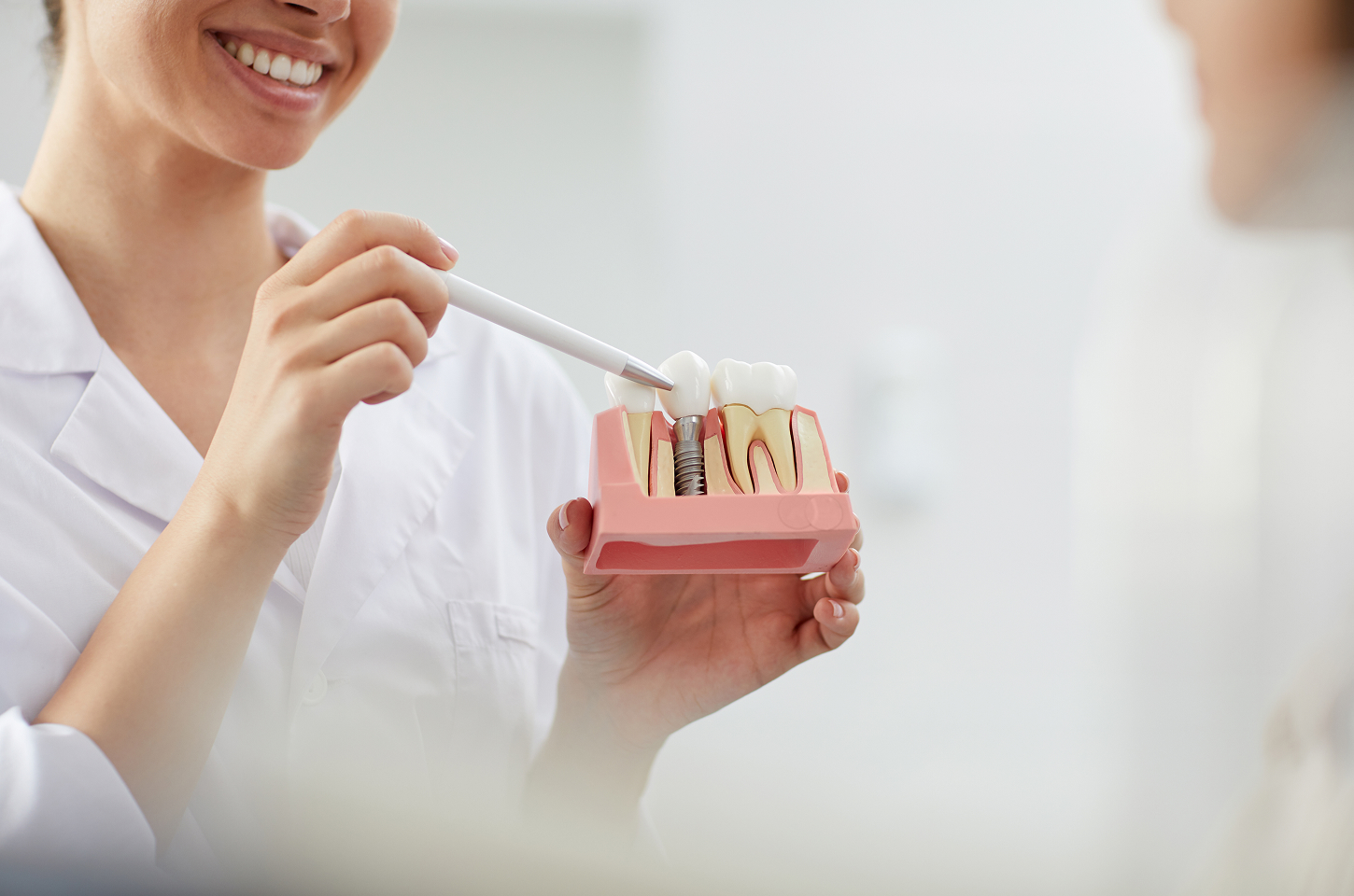
Implant-supported bridges use dental implants for support. This design preserves adjacent teeth. No tooth preparation is needed. Implant-supported bridges prevent bone loss. They provide the most natural function. This option works well for patients who prefer implants over traditional bridges.
What Factors Affect Restoration Longevity?
Several factors influence how long dental restorations last. Understanding these factors helps patients protect their investment. The dentist discusses these factors during treatment planning.
Oral Hygiene
Oral hygiene is the most important factor affecting restoration longevity. Plaque accumulates around restorations. Bacteria cause decay at the restoration margins. Brushing twice daily removes plaque from crown and bridge surfaces. Flossing removes plaque between teeth and under bridges. Regular professional cleaning removes deposits that home care cannot reach.
Diet and Habits
Certain habits damage restorations. Chewing ice, hard candy, and unpopped popcorn kernels can crack porcelain. Grinding and clenching wear down restoration surfaces. Patients who grind their teeth need night guards to protect their restorations. Sticky foods can pull on bridges and crowns.
Material Selection
Material affects restoration longevity. Gold and zirconia are the most durable. Ceramic is less durable but more aesthetic. The dentist recommends materials based on the tooth location and patient needs. Choosing the right material improves restoration longevity.
Professional Maintenance
Regular dental visits are essential. The dentist examines restorations for wear, cracks, and fit. X-rays check for decay under crowns and bridges. Professional cleaning maintains gum health. Early detection of problems allows intervention before failure occurs.
Comparing Restoration Options: Features and Considerations
Each restoration option has different characteristics. Understanding these differences helps patients choose the right option for their needs.
How Do You Care for Dental Restorations?
Proper care extends the life of dental restorations. Patients should follow specific care instructions based on their restoration type.
Daily Care
Brush restorations twice daily with fluoride toothpaste. Use a soft-bristled brush. Floss between crowns and bridges using specialized floss or interdental brushes. Water flossers effectively clean around restorations. Rinse with an antimicrobial mouthwash to reduce bacteria.
Protecting Restorations
Avoid chewing hard foods like ice, nuts, and hard candy. Do not use teeth as tools for opening packages. Wear a night guard if you grind or clench your teeth. See your dentist regularly for professional maintenance.
When to Contact Your Dentist
Contact your dentist if you notice changes in your restoration. Sensitivity to hot or cold may indicate a problem. Rough edges or chipped porcelain need evaluation. Loose crowns or bridges require immediate attention. Changes in bite or fit should be addressed promptly.
Frequently Asked Questions About Dental Restorations
People Also Ask About Dental Restorations
Are metal crowns safe?
Yes. Metal crowns are safe and biocompatible. Gold and other metals are well-tolerated by the body. They do not cause allergic reactions in most patients. Metal crowns are durable and gentle on opposing teeth. They remain a reliable option for posterior restorations.
Can I have an MRI with a dental crown?
Yes. Dental crowns do not interfere with MRI imaging. Gold and porcelain are non-ferromagnetic. They will not be affected by the magnetic field. However, some crowns contain ferromagnetic materials. Patients should inform the MRI technician about any dental work.
How do I know if my restoration needs replacement?
Signs of needed replacement include visible cracks, chips, or wear. Discoloration around the restoration margin may indicate decay. Sensitivity or pain suggests problems. Loose fit or changes in bite should be evaluated. Regular dental visits allow early detection of these problems.
Making Informed Decisions About Dental Restorations
Dental restorations are significant investments. Understanding materials, options, and longevity helps patients make informed decisions. The right restoration functions well, looks natural, and lasts for years.
Ceramic crowns provide natural appearance. PFM crowns combine strength and aesthetics. Gold crowns offer maximum durability. Zirconia provides both strength and natural appearance. Each material has advantages and considerations.
Proper care extends restoration life. Regular brushing and flossing are essential. Professional maintenance includes annual examinations and cleanings. Patients who follow care instructions enjoy longer-lasting restorations.
Chandler Park Dental Care provides comprehensive restorative services for patients throughout Bowling Green, Warren County, and surrounding communities. The practice offers personalized treatment planning and expert restoration placement. Patients seeking restorative treatment can schedule a consultation to learn more about their options.
Sources
The information in this guide draws from the following authoritative organizations and clinical resources:
- American Dental Association (ADA) — Oral Health Topics
- American College of Prosthodontists (ACP) — Patient Information
- National Institute of Dental and Craniofacial Research (NIDCR)
- PubMed — Dental Restoration Literature
Last reviewed: July 2026
About the Author
Dr. Eli Jackson, DMD is a general dentist who places and restores dental restorations at Chandler Park Dental Care. Dr. Jackson has experience with multiple restoration materials and techniques. He helps patients choose the right restoration for their individual needs.
At Chandler Park Dental Care, Dr. Jackson offers comprehensive restorative services for patients throughout Bowling Green, Alvaton, Rockfield, Smiths Grove, and Scottsville.