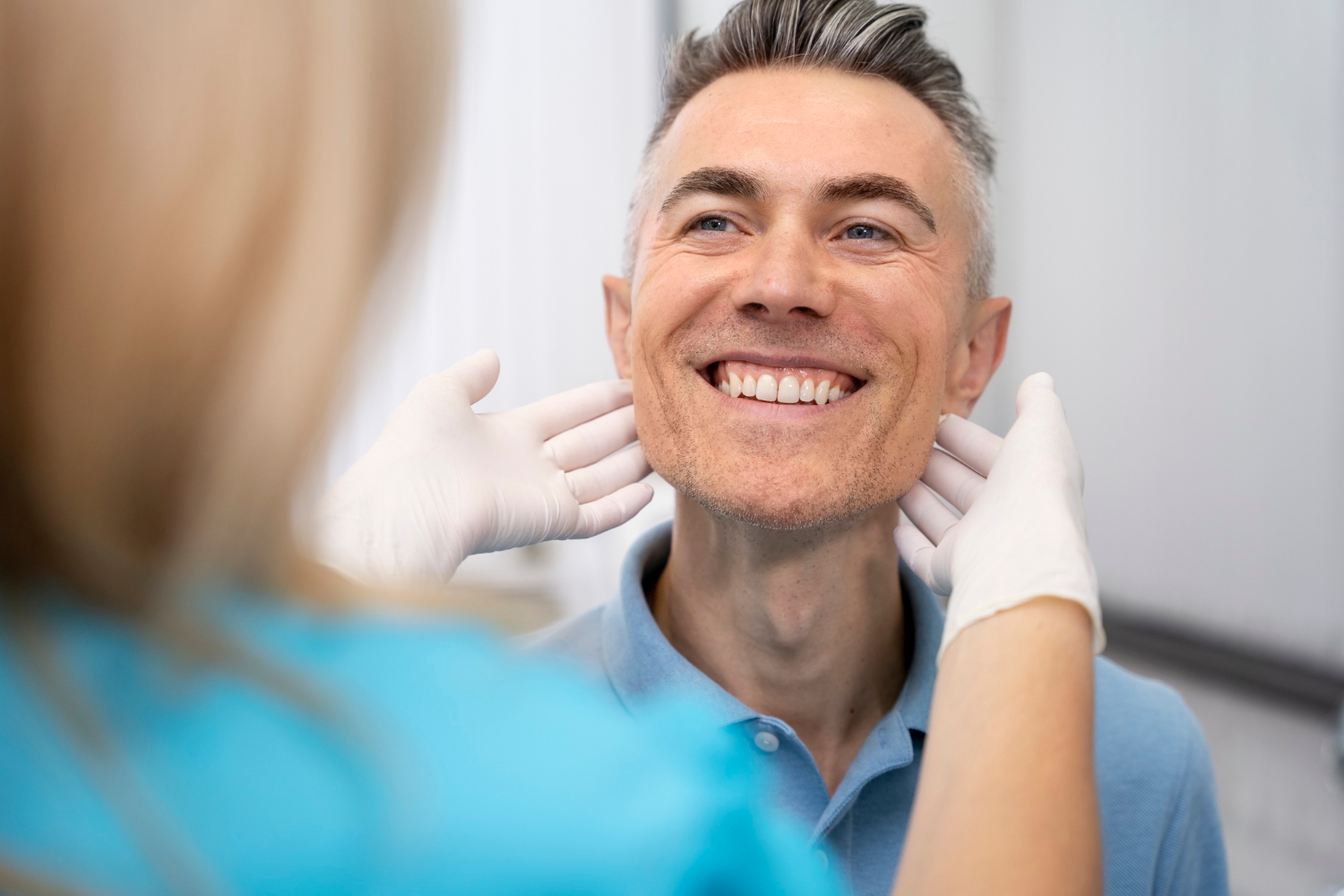
Tooth loss affects millions of adults across the United States. The causes vary — advanced gum disease, extensive decay, injury, or congenital conditions. Whatever the reason, missing teeth change how a person eats, speaks, and smiles. Over time, tooth loss also affects facial structure and bone density. Dentures offer a proven solution that restores function, appearance, and confidence.
This guide explains everything patients should know about dentures. It covers types of dentures, the clinical process, daily care, and how dentures compare to other tooth replacement options. For a broader understanding of comprehensive dental care, review the Complete Guide to Comprehensive Dental Care from Chandler Park Dental Care.
Table of Contents
Key Takeaways (TL;DR)
- Dentures restore more than teeth. They support facial structure, improve chewing function, and enable clear speech. Tooth replacement is about quality of life.
- Several types exist for different needs. Complete dentures replace all teeth. Partial dentures fill gaps. Implant-supported options provide superior stability.
- The process involves multiple appointments. Impressions, try-ins, and adjustments ensure proper fit. Patients should expect adaptation time after delivery.
- Proper care extends denture life. Daily cleaning, overnight soaking, and regular professional checkups prevent problems and maintain fit.
- Alternatives like implants and bridges exist. Each option has different benefits, timelines, and considerations. The right choice depends on individual needs.
What Are Dentures and How Do They Work?
Dentures are removable or implant-supported dental appliances that replace missing teeth. They consist of a base that resembles gum tissue and prosthetic teeth set into that base. The base is typically made from acrylic resin. The teeth can be acrylic or porcelain. Dentures restore the ability to chew food effectively, support the lips and cheeks, and improve speech clarity.
Tooth loss triggers a cascade of oral health changes. The jawbone beneath missing teeth begins to resorb (shrink) because it no longer receives stimulation from chewing forces. Adjacent teeth may shift into the empty space, causing bite problems and additional tooth loss. The facial muscles lose support, creating a sunken appearance. Dentures address these issues by replacing the teeth and supporting the facial structures.
Dentures are not a one-size-fits-all solution. The type of denture a patient needs depends on how many teeth are missing, the condition of remaining teeth, bone density, and personal preferences. Some patients need full dentures to replace all teeth. Others require partial dentures to fill gaps. Implant-supported dentures offer a more stable alternative for patients with sufficient bone volume.
Modern denture materials and fabrication techniques produce natural-looking results. The prosthetic teeth are matched to the patient’s skin tone and facial features. The gum-colored base is contoured to mimic natural gum tissue. Well-made dentures are difficult to distinguish from natural teeth.
What Types of Dentures Are Available?
Denture options range from basic removable appliances to advanced implant-supported prostheses. Understanding each type helps patients make informed decisions about their care.
Complete (Full) Dentures
Complete dentures replace all teeth in the upper arch, lower arch, or both. They rest on the gum tissue and rely on suction and the natural contours of the mouth for retention. Upper dentures typically have better retention because of the larger surface area of the palate. Lower dentures often require more adjustment because the tongue and muscle movements can dislodge them.
Two subtypes exist within complete dentures. Conventional dentures are made after the teeth have been extracted and the gum tissue has healed, which takes approximately eight to twelve weeks. Immediate dentures are placed on the same day as tooth extraction. Immediate dentures allow patients to leave the appointment with teeth, but they require more adjustments as the gums heal and shrink.
Partial Dentures
Partial dentures replace one or several missing teeth while preserving remaining natural teeth. They consist of replacement teeth attached to a pink or gum-colored base. The base connects to a metal or acrylic framework that anchors to adjacent teeth using clasps or precision attachments.
Partial dentures offer several advantages over complete dentures. They prevent remaining teeth from shifting, distribute chewing forces more evenly, and preserve existing tooth structure. They are generally more affordable than implant-supported options. However, they require meticulous cleaning to prevent decay and gum disease around the supporting teeth.
Implant-Supported Dentures
Implant-supported dentures attach to dental implants placed in the jawbone. This approach provides superior stability, retention, and function compared to traditional removable dentures. Patients with implant-supported dentures report greater chewing efficiency, improved comfort, and enhanced confidence.
Several implant-supported options exist. Overdentures snap onto two to four implants. They are removable but lock securely into place. Fixed hybrid dentures attach permanently to multiple implants and can only be removed by a dentist. Bar-retained dentures connect to a metal bar that attaches to implants. Ball-retained dentures use a ball-and-socket attachment mechanism.
Snap-in dentures represent a popular implant-supported option. These dentures attach to implant abutments with a snapping mechanism. Patients can remove them for cleaning, but they stay firmly in place during eating and speaking. This option offers an excellent balance between stability and convenience.
What Is the Process for Getting Dentures?
The denture process involves several clinical appointments over several weeks. Each step builds on the previous one to ensure proper fit, aesthetics, and function. Understanding the timeline helps patients prepare for what lies ahead.
Step 1: Initial Consultation and Examination
The process begins with a comprehensive oral examination. The dentist evaluates the patient’s oral tissues, remaining teeth, and bone structure. X-rays or 3D imaging may be used to assess bone density and identify any underlying issues. The dentist discusses the patient’s goals, expectations, and medical history. This appointment establishes the treatment plan and denture type.
Step 2: Impressions and Jaw Records
The dentist takes impressions (molds) of the upper and lower arches. These impressions capture the precise contours of the gums and any remaining teeth. The dentist also records the patient’s bite relationship to ensure proper alignment of the upper and lower dentures. This step requires precision because the impressions form the foundation for the denture fabrication.
Step 3: Wax Try-In and Aesthetic Evaluation
The dental laboratory fabricates a wax model of the denture with prosthetic teeth set in place. The patient returns for a try-in appointment to evaluate the fit, appearance, and bite. The dentist makes adjustments to the tooth position, color, and shape. This appointment is crucial for achieving a natural appearance. Patients should provide feedback about comfort and aesthetics at this stage.
Step 4: Final Denture Delivery
The final denture is fabricated in acrylic or porcelain. The dentist places the denture in the patient’s mouth and assesses the fit, retention, and bite. Minor adjustments are made as needed. The patient receives instructions on inserting, removing, and cleaning the denture. Follow-up appointments are scheduled for adjustments as the patient adapts.
Step 5: Post-Delivery Follow-Up and Adjustments
The adaptation period begins after delivery. Patients experience increased saliva, minor sore spots, and difficulty eating initially. These issues resolve with time and professional adjustments. The dentist sees the patient at regular intervals to check the fit and make necessary modifications. Over time, bone changes may require denture relining to maintain proper fit.
What Is It Like Living With Dentures?
Living with dentures involves an adaptation period. Patients learn to speak, eat, and care for their new teeth. Most patients adjust within a few weeks, though some aspects require ongoing attention.
Speech Adaptation
New dentures affect speech temporarily. The tongue and oral muscles must learn to work around the appliance. Certain sounds may be difficult initially, especially “s” and “f” sounds. Reading aloud for a few minutes daily helps accelerate adaptation. Most patients regain normal speech within one to two weeks. Persistent speech issues indicate poor denture fit and require professional adjustment.
Eating and Chewing
Eating with new dentures requires patience. Patients should start with soft foods cut into small pieces. Chewing should be done on both sides of the mouth simultaneously to prevent tipping. Hard, sticky, or tough foods should be avoided initially. Chewing efficiency improves as muscles adapt. Most patients resume a normal diet within several weeks, though very hard foods like nuts may always require caution.
Saliva Changes
New dentures stimulate increased saliva production. This is a normal response to a foreign object in the mouth. The body adjusts over several weeks, and saliva production returns to normal. Patients should stay hydrated and avoid sugary drinks that promote decay in remaining teeth. Sugar-free gum or mints can help with temporary dryness or excessive flow.
Sore Spots and Discomfort
Minor sore spots are common during adaptation. The gum tissue needs time to adjust to the denture. Patients should return to the dentist for adjustments rather than attempting DIY modifications. Over-the-counter oral pain relievers help manage discomfort. Persistent sore spots require professional attention to prevent tissue damage.
Denture Adhesives
Many patients benefit from denture adhesives. These products improve retention and stability, especially for lower dentures. Adhesives come in powders, pastes, and strips. Patients should follow product instructions and avoid overusing adhesives, which can mask poor fit. Adhesives are not a substitute for well-fitting dentures or professional adjustments.
How Do You Care for Dentures Properly?
Proper denture care protects the investment and maintains oral health. Dentures require daily cleaning, regular professional evaluations, and timely relining. Neglecting care leads to stained teeth, bad odors, gum irritation, and premature replacement.
Daily Cleaning Routine
Dentures should be cleaned at least once daily, preferably in the morning and evening. The cleaning process involves brushing the denture with a soft-bristled denture brush, soaking it in a denture cleanser, and rinsing thoroughly. Patients should handle dentures carefully over a soft towel or basin of water to avoid breakage.
Safe Cleaning Products
The American Dental Association recommends denture cleansers specifically designed for dental appliances. Patients should avoid abrasive toothpaste, bleach, vinegar, and hot water. These products damage the acrylic base, discolor the teeth, or warp the denture. Mild dish soap and water work for patients who prefer simpler options.
Overnight Soaking
Dentures should be soaked in water or denture cleaning solution overnight. Overnight soaking keeps the denture moist and prevents drying and warping. Patients should place the denture in a covered container filled with water or solution. Morning rinsing removes the soaking solution before insertion.
Regular Checkups and Relining
Denture wearers should visit the dentist annually. These visits evaluate the fit, check the oral tissues, and identify any pathology. Dentures that become loose require relining, a procedure that refits the denture base to the changed gum tissue. Relining improves retention and comfort. Dentures that cannot be relined effectively may need replacement.
Signs Dentures Need Replacement
Dentures typically last five to ten years with proper care. Signs of needed replacement include visible wear, cracks, broken teeth, persistent poor fit despite relining, and difficulty eating. Regular professional evaluation ensures timely replacement and prevents complications from ill-fitting dentures.
How Do Dentures Compare to Dental Implants and Bridges?
Tooth replacement options include dentures, dental implants, and dental bridges. Each option has distinct advantages, limitations, and considerations. The right choice depends on the patient’s oral health, bone density, budget, and personal preferences.
Dental Implants
Dental implants replace the tooth root with a titanium post surgically placed in the jawbone. A crown attaches to the implant, creating a permanent, natural-looking restoration. Implants preserve bone density, do not require modification of adjacent teeth, and last decades with proper care. They cost more upfront than other options and require sufficient bone volume or bone grafting.
Dental Bridges
Dental bridges replace one or several missing teeth by anchoring prosthetic teeth to adjacent natural teeth. The adjacent teeth are prepared (shaved down) to support crowns that hold the bridge in place. Bridges are fixed, meaning patients cannot remove them. They cost less than implants but require altering healthy teeth and do not prevent bone loss at the missing tooth site.
Dentures
Dentures offer a removable, affordable tooth replacement option. They work well for patients who cannot have implants due to bone loss or medical conditions. Dentures replace all or most teeth in an arch. They require daily removal and cleaning and do not prevent bone resorption as effectively as implants.
Implant-supported dentures combine the affordability of dentures with the stability of implants. This hybrid approach offers superior retention while remaining less expensive than individual implants for each missing tooth.
Educational Note on Cost: The cost information provided in this comparison is for educational and research purposes only. It does not represent the pricing, estimates, or fees of Chandler Park Dental Care. Patients should consult the practice directly for accurate cost information based on their specific needs.
Why Are Dentures Part of Comprehensive Dental Health?
Dentures represent more than tooth replacement. They are a component of comprehensive oral health care. Addressing tooth loss with dentures prevents the cascade of problems that result from missing teeth.
Bone Preservation
The jawbone requires stimulation from chewing forces to maintain its density and volume. Missing teeth remove this stimulation, leading to bone resorption. Resorption causes the jaw to shrink, which affects the fit of dentures and the appearance of the face. Implant-supported dentures provide better bone preservation by transmitting chewing forces to the bone through implants.
Gum Health
Denture wearers must maintain meticulous oral hygiene to prevent denture stomatitis, a fungal infection caused by Candida albicans. Regular cleaning of both the denture and the oral tissues prevents this condition. The dentist should evaluate the gums at every visit to identify signs of irritation or infection.
Nutritional Impact
Proper nutrition depends on effective chewing. Patients with missing teeth often avoid fruits, vegetables, and meats that are difficult to chew. This dietary restriction leads to nutritional deficiencies. Dentures restore chewing function and enable a balanced diet that supports overall health.
Integration with Other Treatments
Dentures are often part of a larger treatment plan. Patients may combine dentures with bone grafting, implant placement, periodontal therapy, or other restorative procedures. Comprehensive care addresses all aspects of oral health, not just the missing teeth. Dentists in Bowling Green, KY, including Chandler Park Dental Care, offer integrated treatment planning that coordinates these services under one roof.
Frequently Asked Questions About Dentures
People Also Ask About Dentures
What is the difference between immediate dentures and conventional dentures?
Immediate dentures are placed on the same day teeth are extracted. They allow patients to leave the appointment with teeth. However, immediate dentures require more adjustments as the gums heal and shrink. Conventional dentures are fabricated after the gums have fully healed, which takes eight to twelve weeks. Conventional dentures typically provide better fit and require fewer adjustments.
Can partial dentures be converted to implant-supported dentures?
Yes. Patients with partial dentures can transition to implant-supported options. This process involves placing implants in the jawbone and either modifying the existing denture or fabricating a new one that attaches to the implants. The timeline and complexity depend on bone density and the number of implants required.
What are snap-in dentures?
Snap-in dentures attach to implant abutments with a snapping mechanism. Patients can remove them for cleaning, but they stay securely in place during eating and speaking. This option offers an excellent balance between stability and convenience. Snap-in dentures typically require two to four implants per arch.
Why do dentures need periodic relining?
Bone resorption changes the shape of the jawbone over time. These changes cause dentures to become loose. Relining refits the denture base to the new contours of the gum tissue. This procedure improves retention, comfort, and function. Dentures typically need relining every one to three years.
What causes dentures to become loose?
Bone resorption is the primary cause of loose dentures. The jawbone shrinks over time, changing the fit of the denture. Other causes include worn denture teeth, broken clasps, and changes in the oral tissues. Regular dental checkups identify these issues before they affect function. Relining or replacement addresses loose dentures.
Conclusion: Dentures Restore Function, Appearance, and Confidence
Dentures provide a proven solution for patients with missing teeth. They restore the ability to eat, speak, and smile with confidence. Modern denture materials and fabrication techniques produce natural-looking results that are difficult to distinguish from natural teeth. The types of dentures available range from traditional complete dentures to advanced implant-supported options that offer superior stability and function.
Patients considering dentures should understand the clinical process, the adaptation period, and the care required to maintain the appliance. Regular professional evaluation ensures proper fit and identifies problems early. Dentures are not a permanent solution but part of an ongoing relationship with oral health care providers.
Chandler Park Dental Care in Bowling Green, KY provides comprehensive care that includes denture services. For patients seeking a detailed step-by-step overview of what to expect, the practice offers complete information about tooth replacement options and the denture process. Comprehensive care under one roof simplifies treatment coordination and improves patient outcomes.
Dentures change lives. They enable patients to eat nutritious foods, speak clearly, and smile without embarrassment. The confidence that comes from a complete smile affects every aspect of life. For patients in Bowling Green and surrounding areas, professional denture care represents a pathway to improved oral health and quality of life.
Sources
The information in this guide draws from the following authoritative organizations and clinical resources:
- American Dental Association (ADA) — Dentures
- American College of Prosthodontists (ACP)
- National Institute of Dental and Craniofacial Research (NIDCR)
- Centers for Disease Control and Prevention (CDC) — Oral Health
- PubMed — Dental Literature
Last reviewed: June 2026
About the Author
Dr. Eli Jackson, DMD is a general dentist who provides comprehensive tooth replacement services, including dentures, dental implants, and bridges. Dr. Jackson understands the impact of tooth loss on quality of life and guides patients through their treatment options.
At Chandler Park Dental Care, Dr. Jackson offers complete denture services for patients throughout Bowling Green, Alvaton, Rockfield, Smiths Grove, and Scottsville.