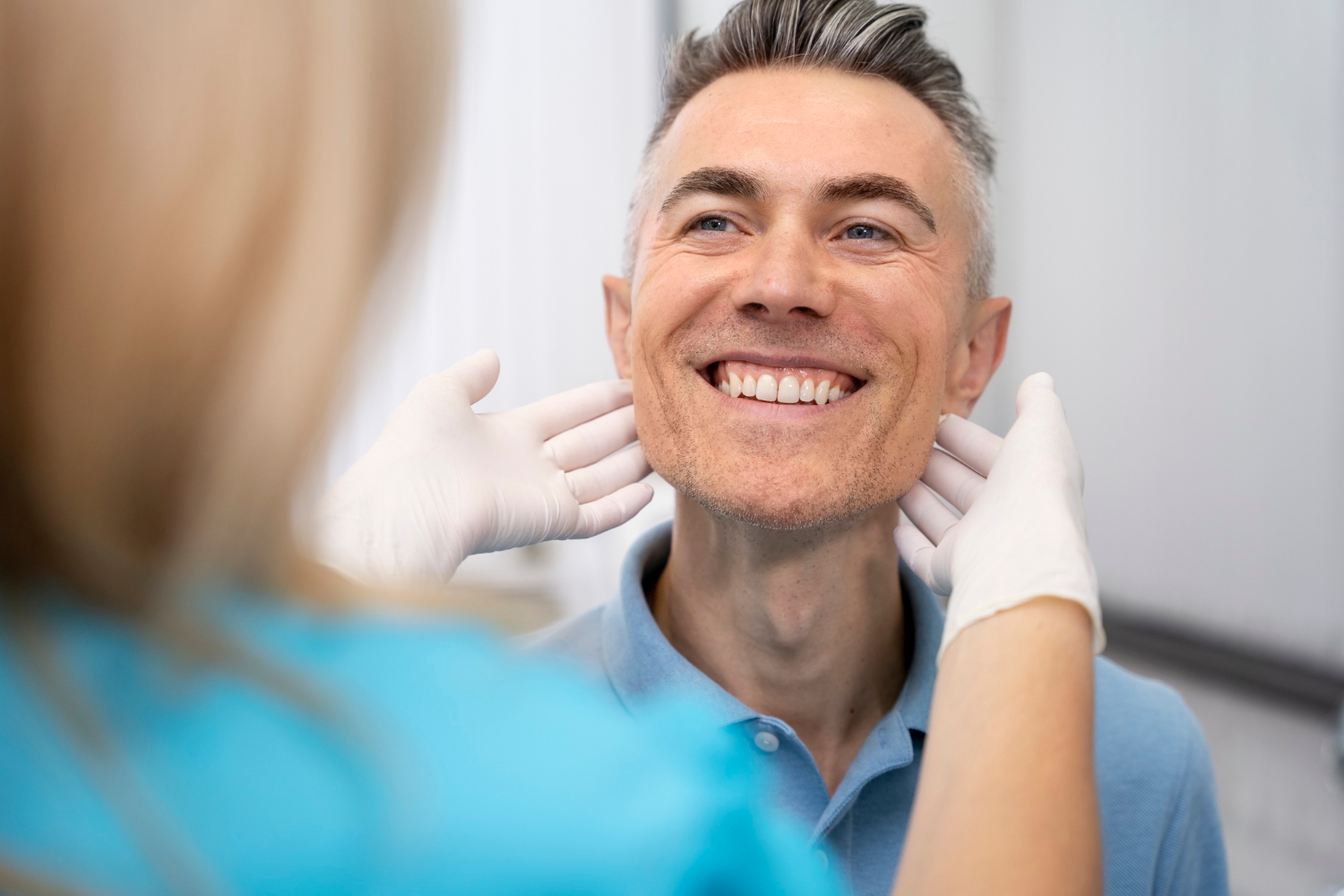
Missing teeth affect more than appearance. They change how a person chews, speaks, and smiles. They also create problems for the remaining natural teeth. Adjacent teeth shift into the empty space, causing bite problems and making cleaning more difficult. Partial dentures address these issues by filling gaps while preserving the natural teeth that remain.
This guide explains partial dentures, their benefits, and how they compare to other tooth replacement options. For a complete overview of denture options, review The Complete Guide to Dentures. For broader context on comprehensive care, see the Complete Guide to Comprehensive Dental Care.
Table of Contents
Key Takeaways (TL;DR)
- Partial dentures replace missing teeth while preserving natural teeth. They fill gaps, prevent shifting, and restore chewing function.
- Two main types exist. Cast metal partials offer durability. Flexible partials provide comfort and aesthetic benefits.
- Partial dentures prevent dental complications. They stop adjacent teeth from shifting and reduce the risk of gum disease and decay.
- Proper care extends their lifespan. Daily cleaning, careful handling, and regular professional evaluation protect your investment.
What Are Partial Dentures and Who Needs Them?
Partial dentures are removable dental appliances that replace one or several missing teeth. They consist of replacement teeth attached to a gum-colored base. The base connects to a framework that anchors to the remaining natural teeth using clasps or precision attachments.
Patients with one or multiple missing teeth but with healthy remaining teeth are candidates for partial dentures. Unlike complete dentures that replace all teeth in an arch, partial dentures fill specific gaps. They are particularly suitable when the remaining teeth are healthy enough to support the appliance.
Tooth loss creates problems beyond the gap. Adjacent teeth drift into the empty space, creating food traps and making cleaning difficult. Teeth in the opposing arch may overerupt, causing bite problems. Partial dentures prevent these complications by maintaining the space.
Partial dentures also distribute chewing forces. This protects the remaining teeth from excessive stress. Patients with partial dentures can eat a wider variety of foods, improve their nutrition, and smile with greater confidence.
What Types of Partial Dentures Are Available?
Partial dentures come in several designs. Each type offers different benefits in terms of durability, aesthetics, and comfort. Understanding the options helps patients make informed decisions.
Cast Metal Partial Dentures
Cast metal partial dentures feature a framework made from a cobalt-chromium alloy. This metal framework provides strength and durability. The framework is thin and precisely cast to fit the contours of the mouth. Metal clasps attach to the adjacent teeth for retention.
Cast metal partial dentures are the most durable option. They resist breakage and maintain their shape over time. The metal framework is strong enough to support multiple replacement teeth. Patients with heavy bite forces benefit from this design.
However, the metal clasps may be visible when smiling. Some patients dislike the appearance of metal. The framework also requires precise fitting to avoid irritation.
Flexible Partial Dentures
Flexible partial dentures use a nylon-based material that is transparent and flexible. The material blends with the gum tissue, creating a more natural appearance. Flexible partials have no metal clasps, so they are less visible. They are comfortable because the material flexes with the tissues.
The main advantage is aesthetics. The transparent material and gum-colored base make flexible partial dentures nearly invisible. They are also lightweight and comfortable, making adaptation easier.
Flexible partial dentures are less durable than cast metal options. The nylon material can break or tear under heavy force. They also cannot be relined as easily as metal frameworks. Patients with strong bite forces may not be suitable candidates.
Acrylic (Flipper) Partial Dentures
Acrylic partial dentures, often called flippers, are made entirely from acrylic resin. They are the most affordable option and the quickest to fabricate. Flippers are often used as temporary replacements while a more permanent solution is planned.
Acrylic partials are less durable than cast metal or flexible options. They can break more easily and may require replacement sooner. They are best used as short-term solutions or for patients with minimal bite forces.
What Are the Benefits of Partial Dentures?
Partial dentures offer several important benefits. They restore function, protect remaining teeth, and improve the patient’s quality of life.
Preventing Tooth Migration
Missing teeth create gaps that allow adjacent teeth to shift. This movement causes bite problems, food traps, and increased risk of decay and gum disease. Partial dentures fill the gap, preventing the remaining teeth from moving out of position.
Restoring Chewing Function
Missing teeth affect the ability to chew properly. Patients often avoid foods that are difficult to chew, leading to nutritional deficiencies. Partial dentures restore chewing function, allowing patients to eat a balanced diet.
Improving Speech
Teeth play a role in speech production. Missing teeth affect the pronunciation of certain sounds. Partial dentures fill the gaps and restore proper speech patterns.
Supporting Facial Structure
Teeth support the lips and cheeks. Missing teeth cause facial muscles to sag, creating a sunken appearance. Partial dentures restore this support, improving facial aesthetics.
Preserving Remaining Teeth
Partial dentures distribute chewing forces across multiple teeth. This prevents excessive stress on individual teeth. The result is less wear and tear on the remaining natural teeth.
How Do Partial Dentures Compare to Other Tooth Replacement Options?
Patients with missing teeth have several options. Partial dentures compete with dental implants and bridges. Each option has different advantages and limitations.
Partial dentures are often the most affordable option. They do not require surgery and do not affect adjacent teeth. However, they do not prevent bone loss and may be less stable than fixed options. The right choice depends on the patient’s needs and circumstances.
How Do You Care for Partial Dentures?
Partial dentures require daily care. The appliance must be cleaned thoroughly. The remaining natural teeth must also be maintained. Neglect leads to decay, gum disease, and denture damage.
Daily Cleaning Routine
Partial dentures should be cleaned daily to prevent plaque buildup and staining. Use a soft denture brush and non-abrasive cleanser. Brush all surfaces of the denture carefully. Rinse the denture thoroughly before placing it back in the mouth.
Patients must also clean the remaining natural teeth. The clasps and framework of the partial denture can trap food and plaque. Patients should brush and floss around the supporting teeth thoroughly.
Overnight Care
Partial dentures should be removed overnight. Soaking the denture in water or a cleaning solution prevents drying and warping. Overnight removal also allows the gum tissue to rest. This reduces the risk of irritation and infection.
Professional Maintenance
Regular dental visits are essential for partial denture wearers. The dentist evaluates the fit, checks the clasps, and examines the remaining teeth. Professional cleaning removes deposits that home cleaning cannot reach. The dentist may recommend relining or other adjustments over time.
Frequently Asked Questions About Partial Dentures
People Also Ask About Partial Dentures
Can partial dentures be converted to implant-supported dentures?
Yes. Patients with partial dentures can transition to implant-supported options. This process involves placing implants in the jawbone and modifying the existing denture or fabricating a new one. The timeline and complexity depend on bone density and the number of implants required.
How do I clean partial denture clasps?
Clasps trap food and plaque. Use a soft brush to clean around the clasps daily. Floss or interdental brushes clean between the clasps and teeth. Regular professional cleaning removes deposits that home care cannot reach.
Are flexible partial dentures better than metal partials?
The answer depends on patient needs. Flexible partials offer better aesthetics and comfort. Metal partials offer superior durability and longevity. The right choice depends on bite forces, budget, and aesthetic preferences.
Partial Dentures — Protecting Your Natural Smile
Partial dentures offer a practical solution for patients with missing teeth. They fill gaps, prevent tooth migration, and restore chewing function. They also protect the remaining natural teeth from excessive stress and decay.
The types of partial dentures available allow patients to choose the option that suits their needs. Cast metal partials provide durability. Flexible partials offer aesthetics. Acrylic partials serve as affordable or temporary solutions.
Proper care extends the life of partial dentures. Daily cleaning, overnight soaking, and regular dental visits prevent problems and maintain function. Patients who care for their partial dentures enjoy years of comfortable use.
Chandler Park Dental Care in Bowling Green, KY offers comprehensive partial denture services. Patients seeking more information can review The Complete Guide to Dentures for additional context. The practice provides personalized treatment planning to help patients restore their smiles.
Sources
The information in this guide draws from the following authoritative organizations and clinical resources:
- American Dental Association (ADA) — Dentures
- American College of Prosthodontists (ACP)
- National Institute of Dental and Craniofacial Research (NIDCR)
- PubMed — Dental Literature
Last reviewed: June 2026
About the Author
Dr. Eli Jackson, DMD is a general dentist who provides comprehensive tooth replacement services, including partial dentures. Dr. Jackson helps patients understand their options and guides them through the denture process from consultation to final delivery.
At Chandler Park Dental Care, Dr. Jackson offers partial denture services for patients throughout Bowling Green, Alvaton, Rockfield, Smiths Grove, and Scottsville.